
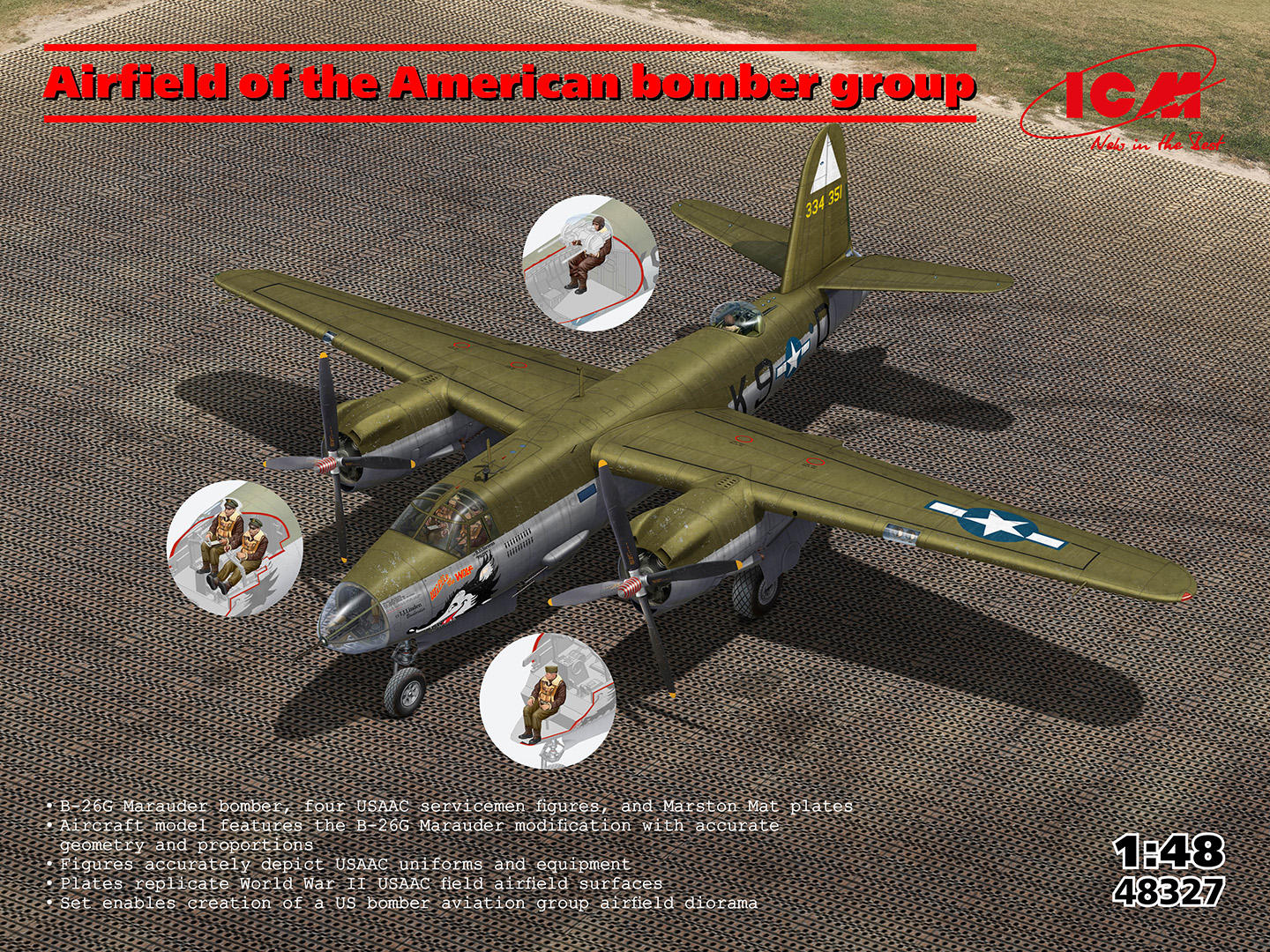
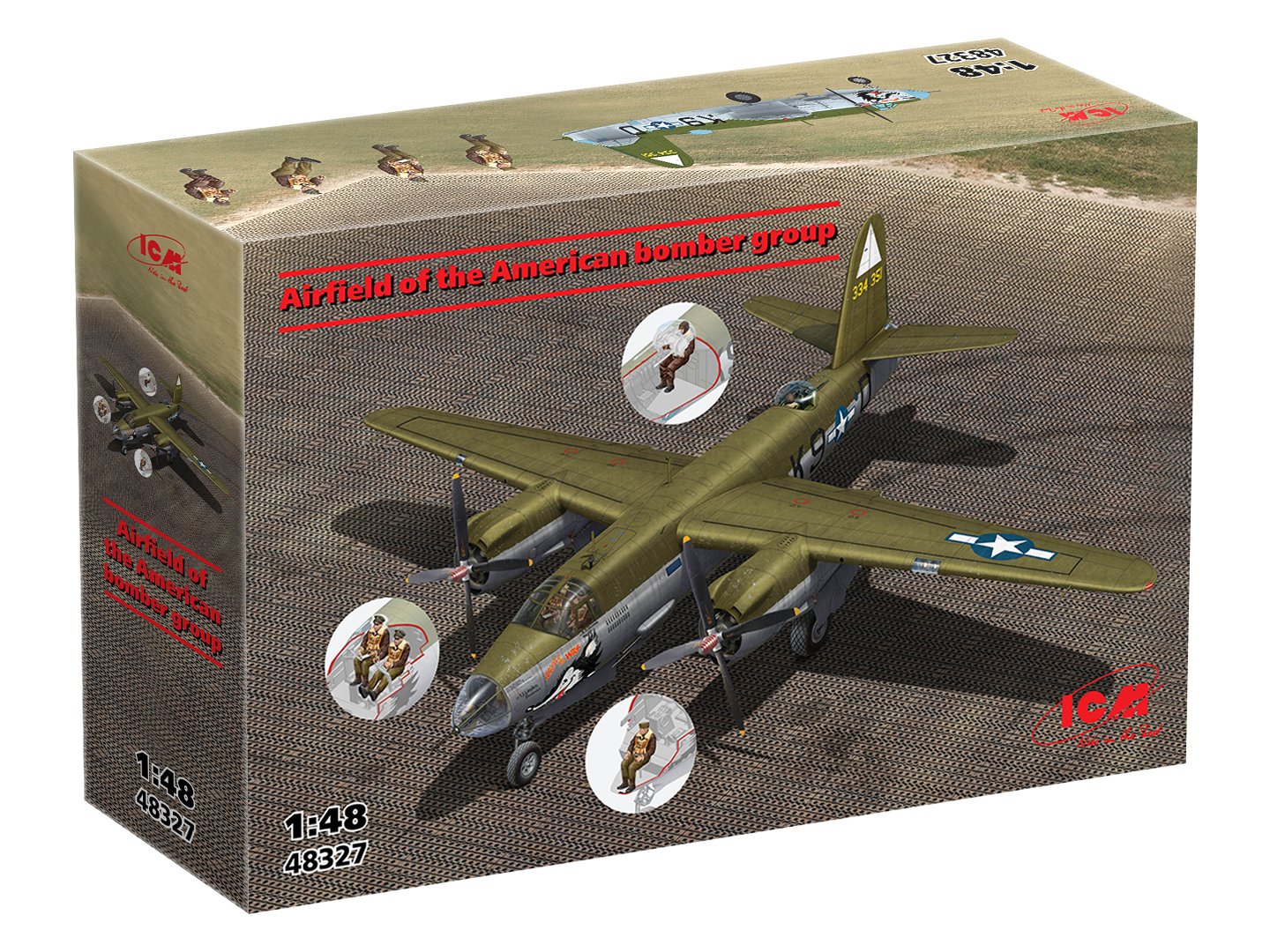
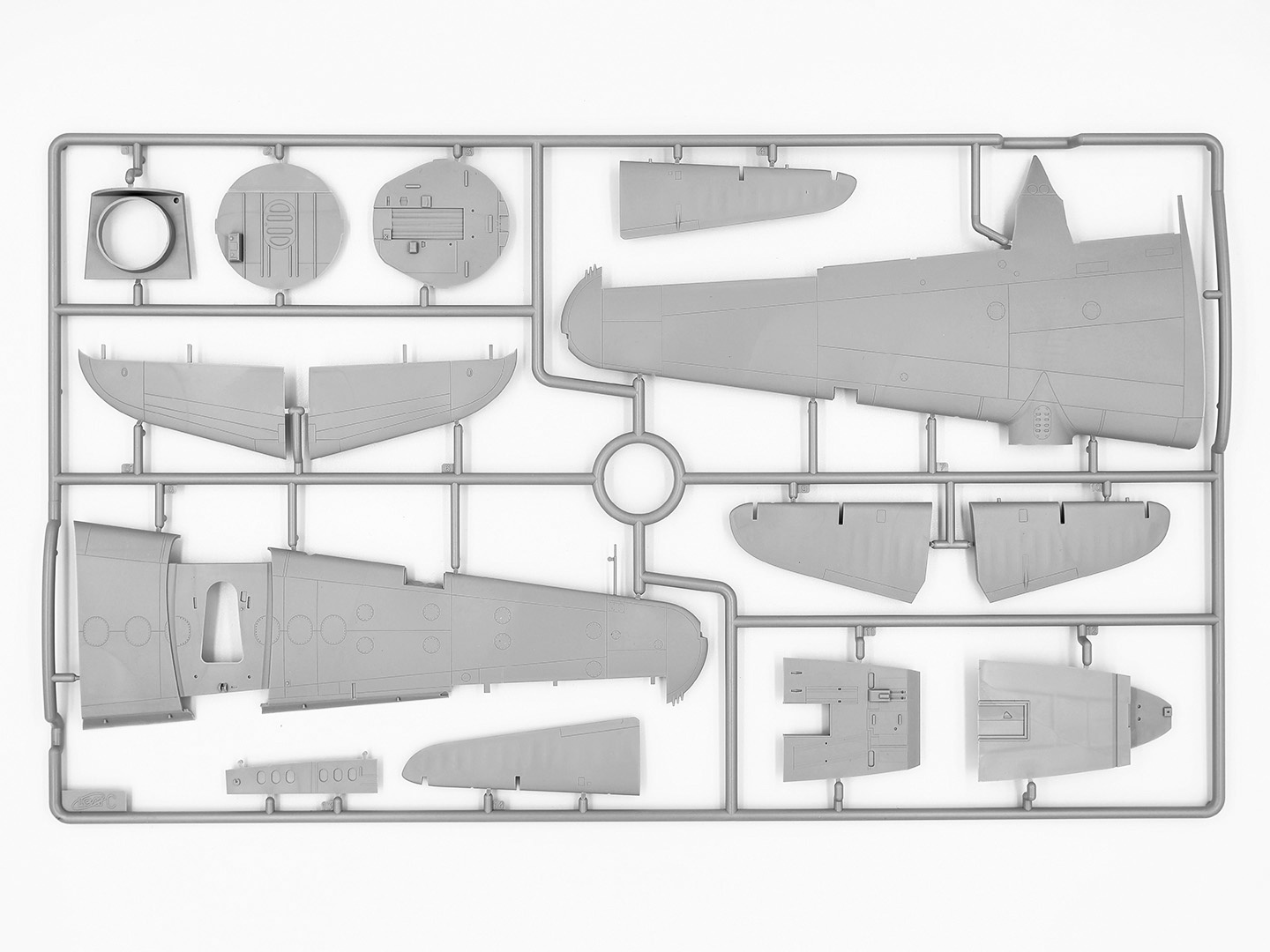
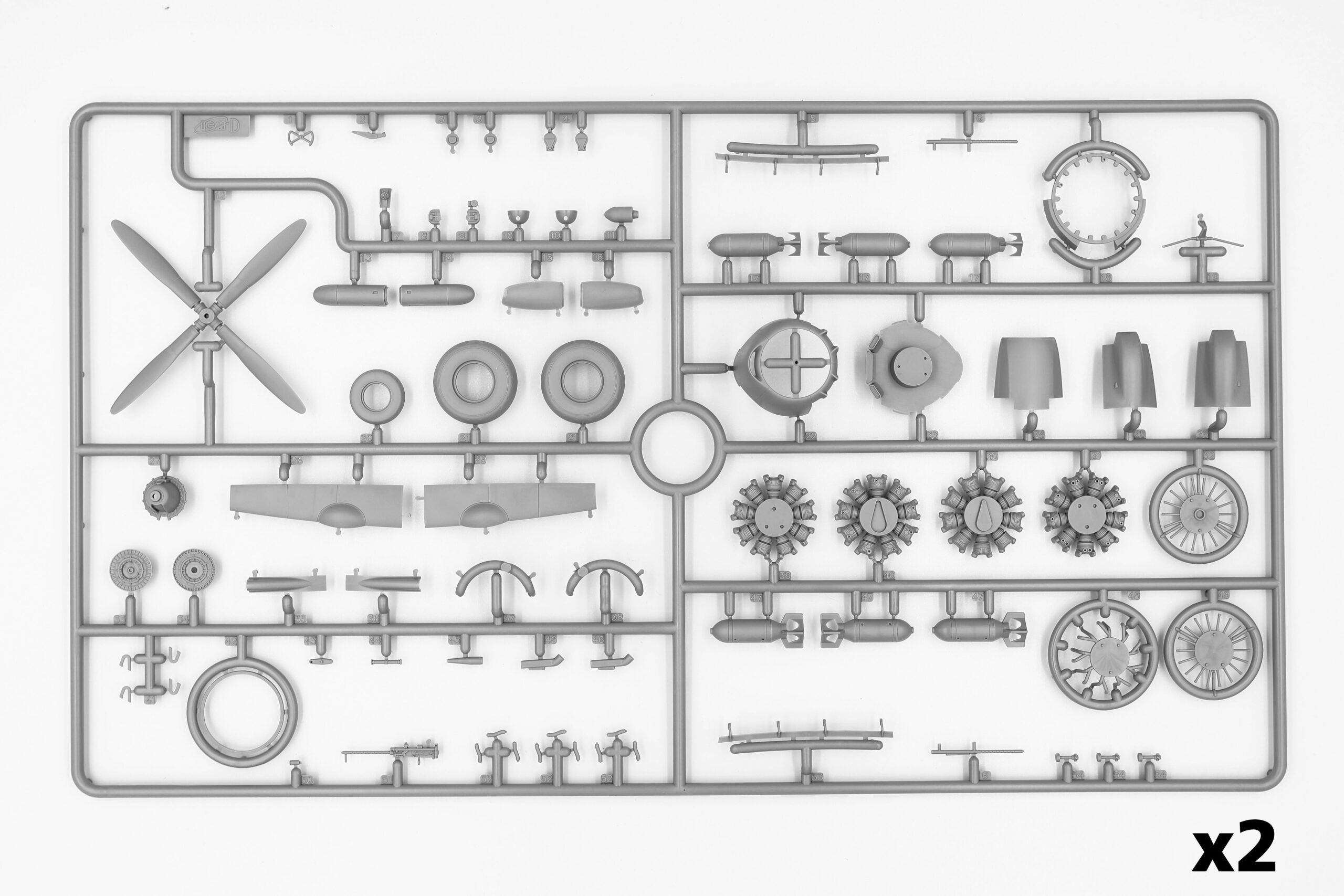
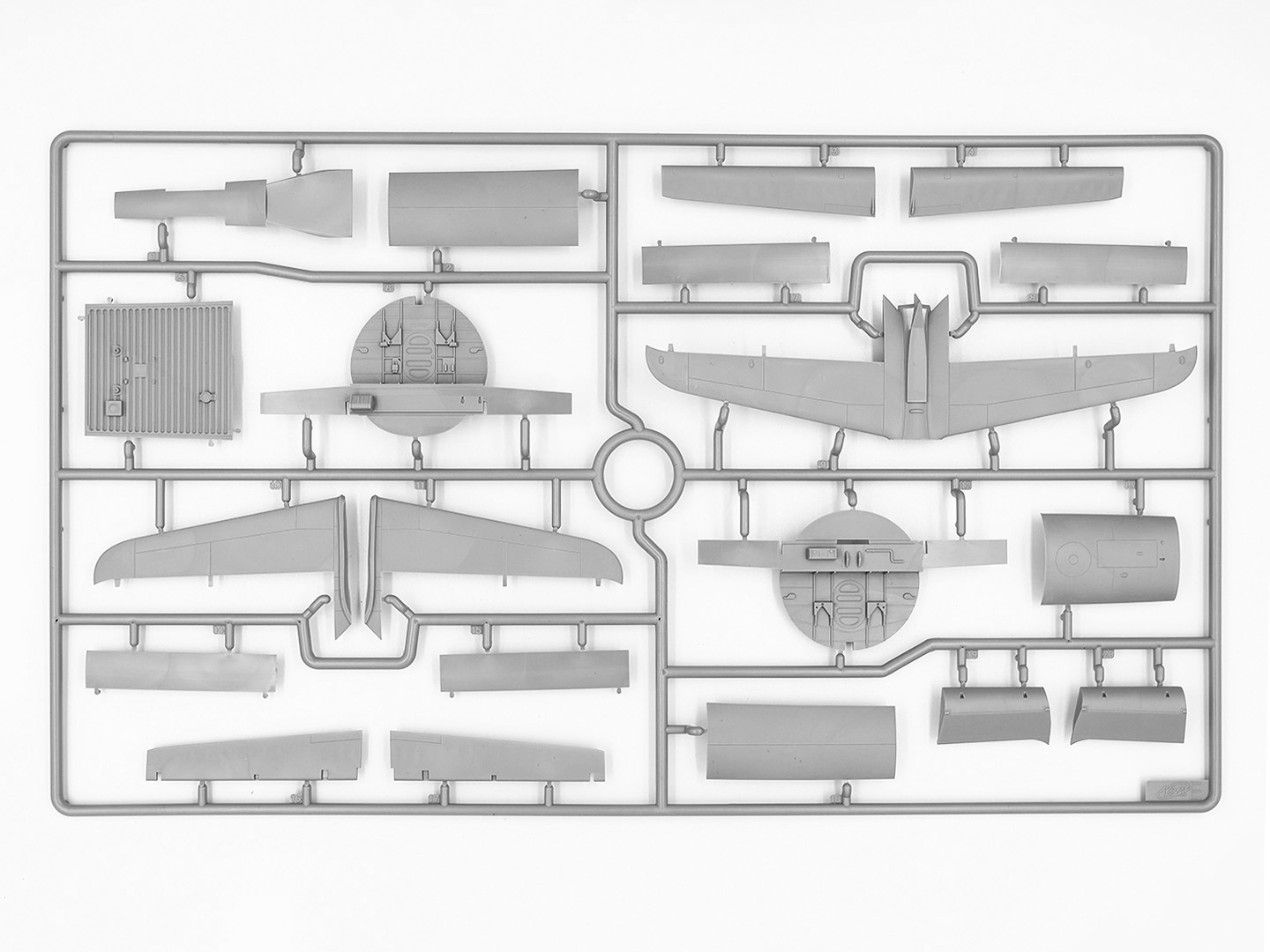
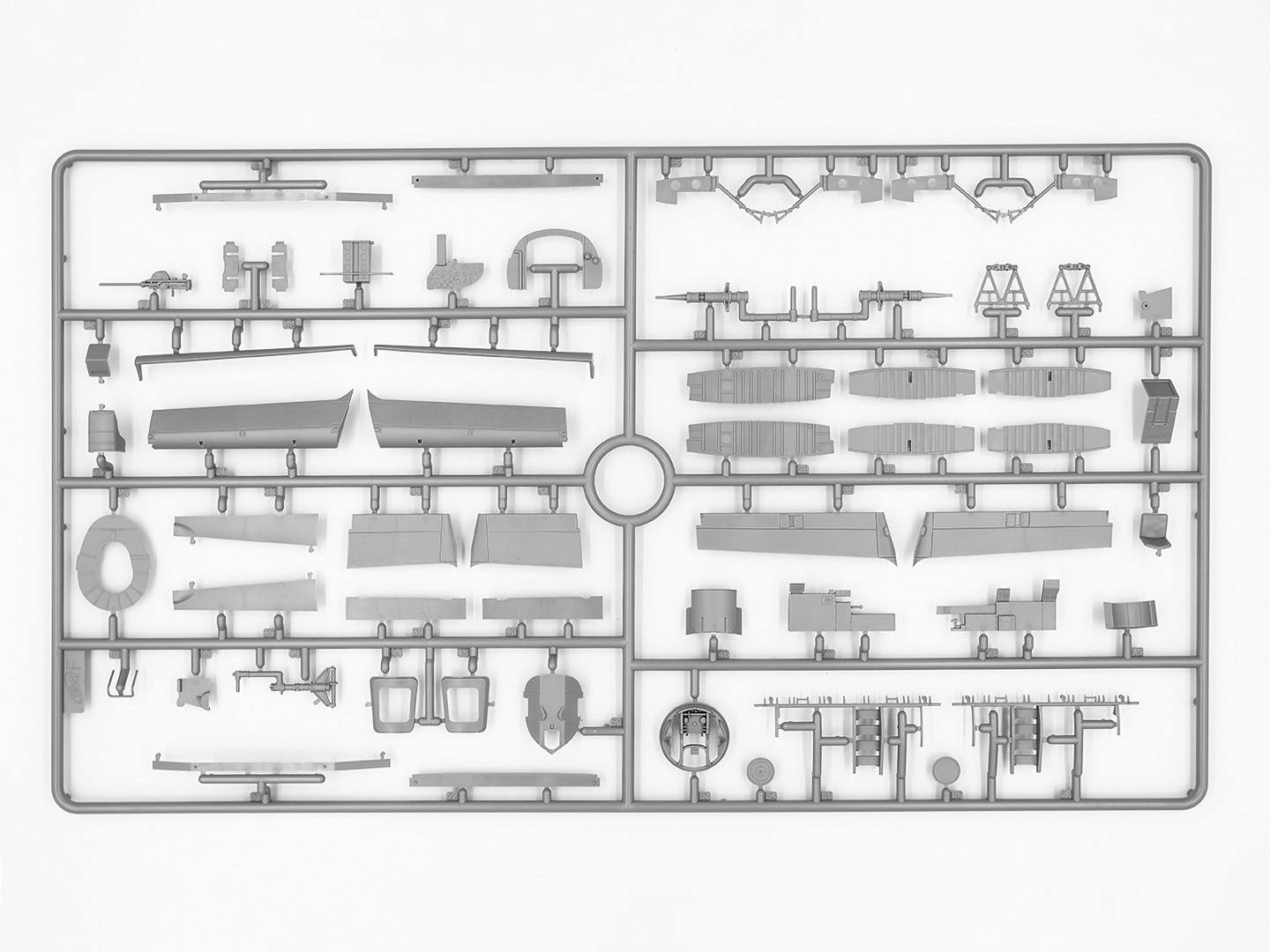
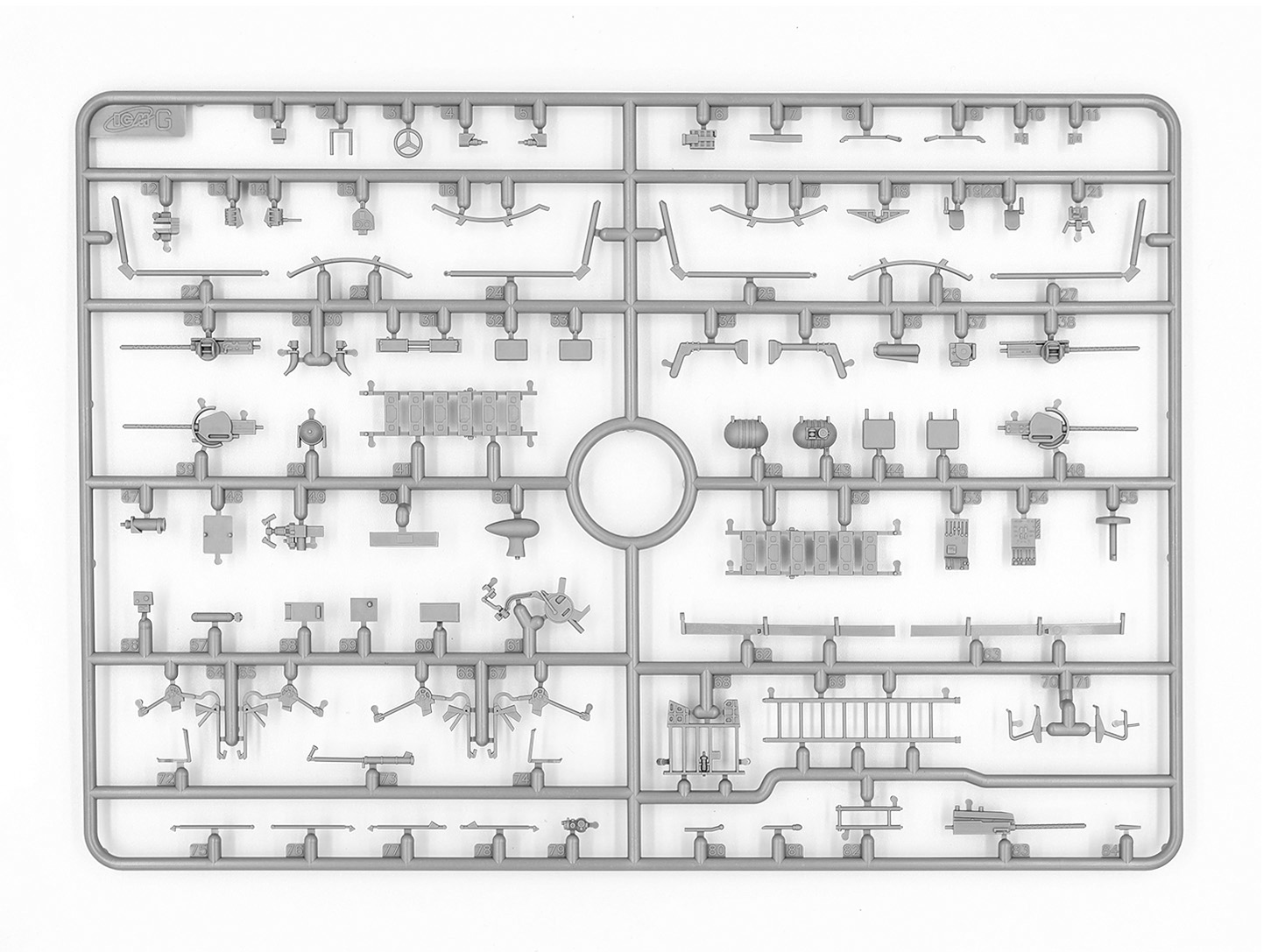
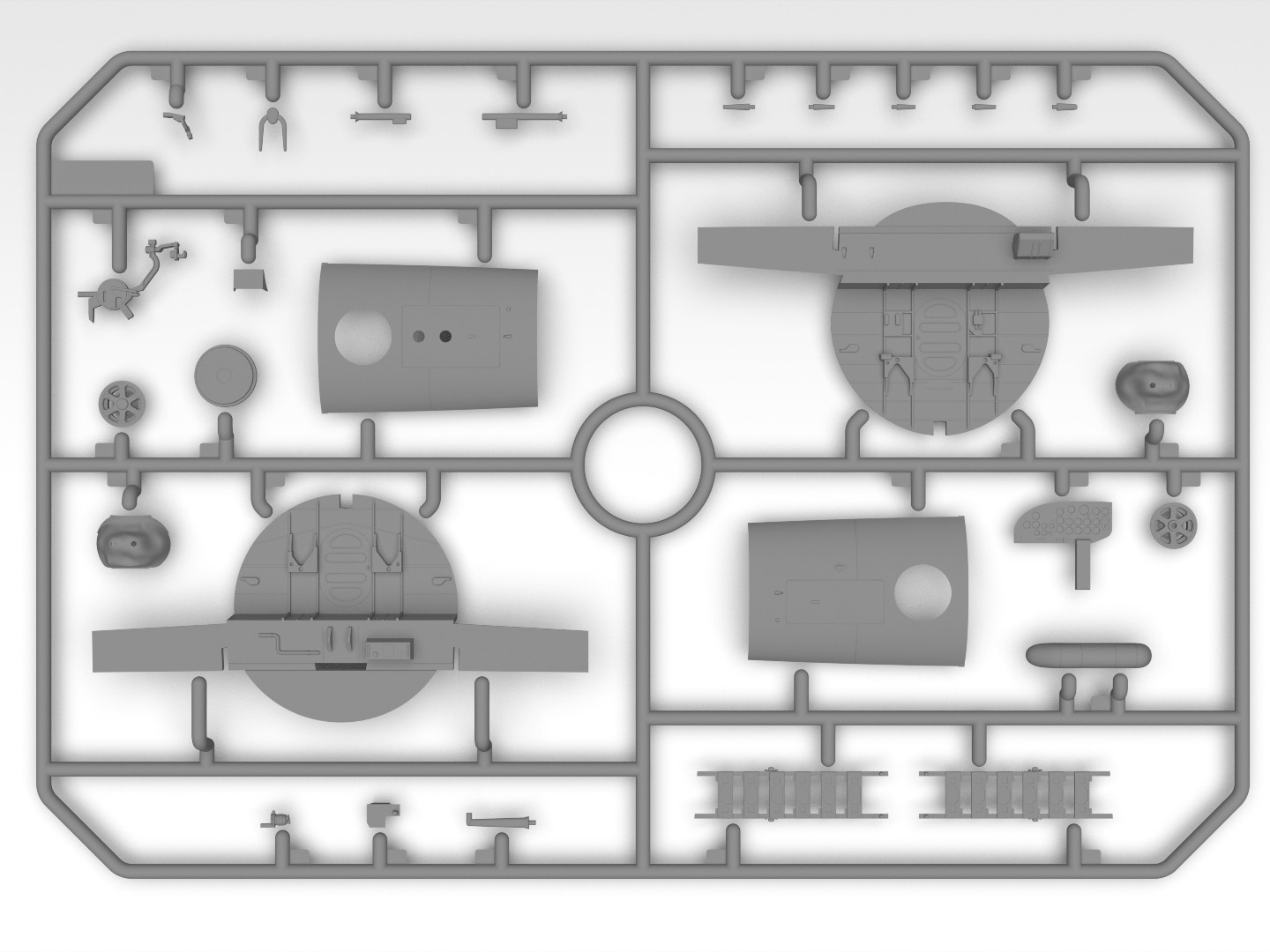
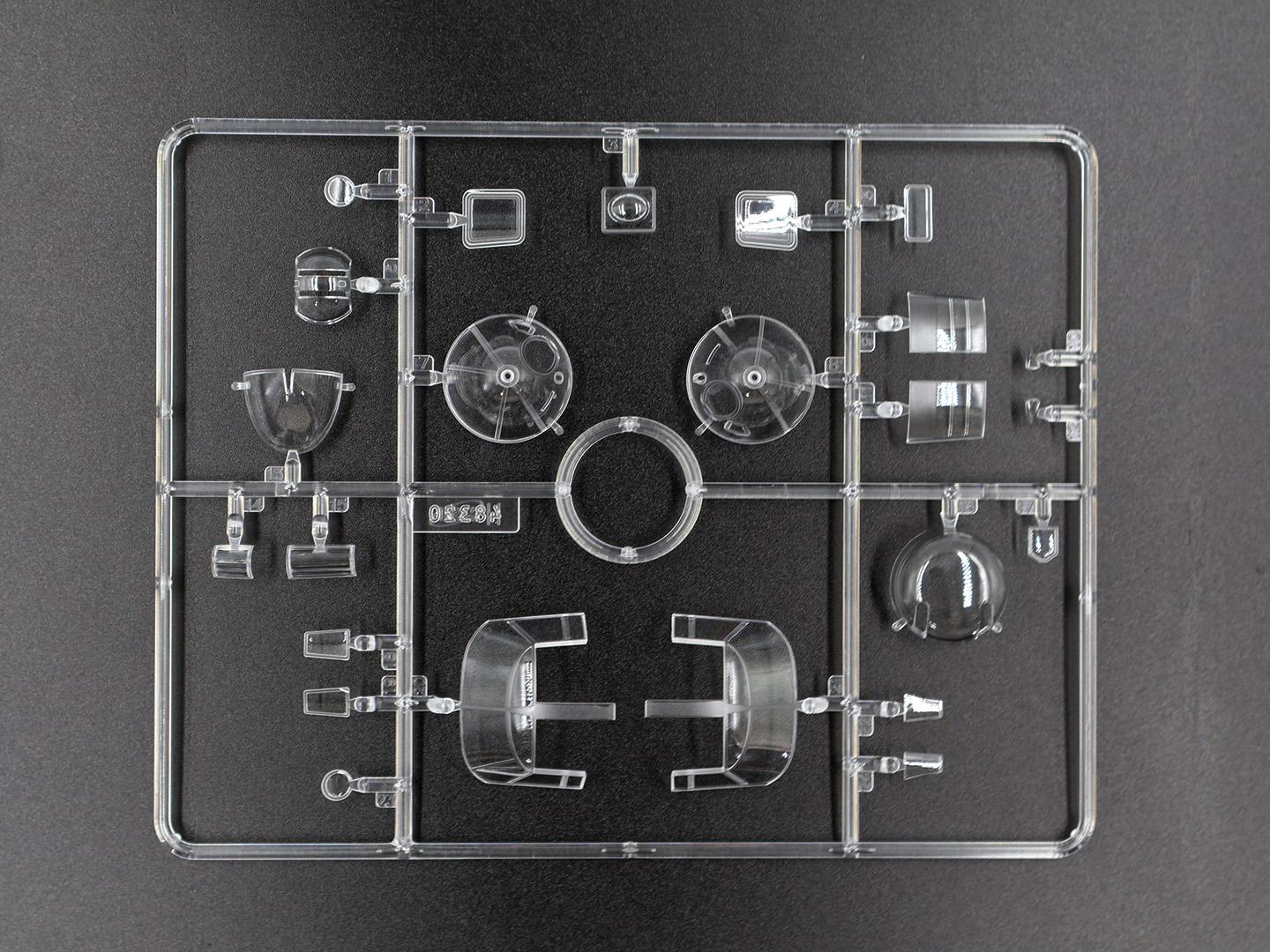
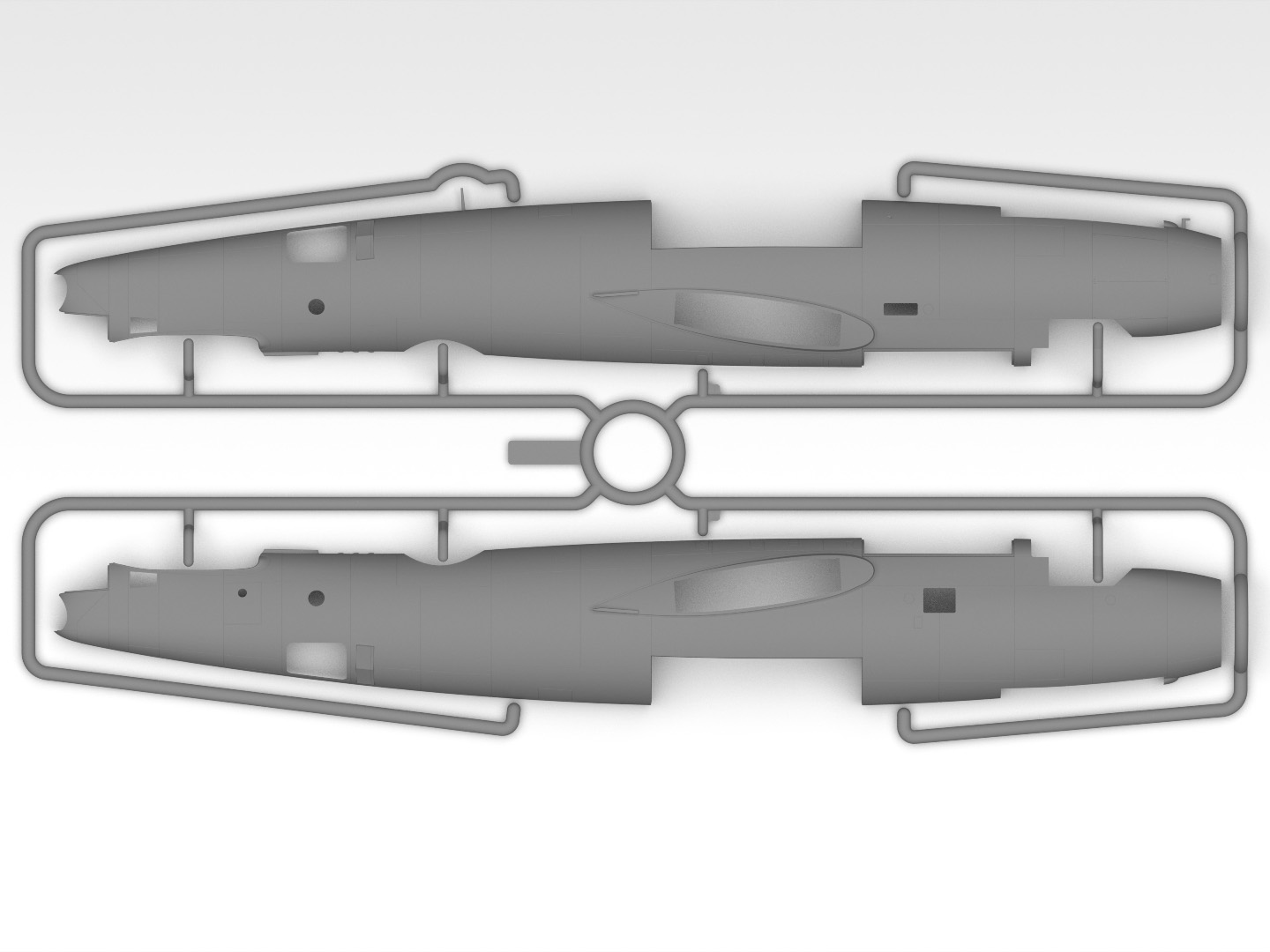
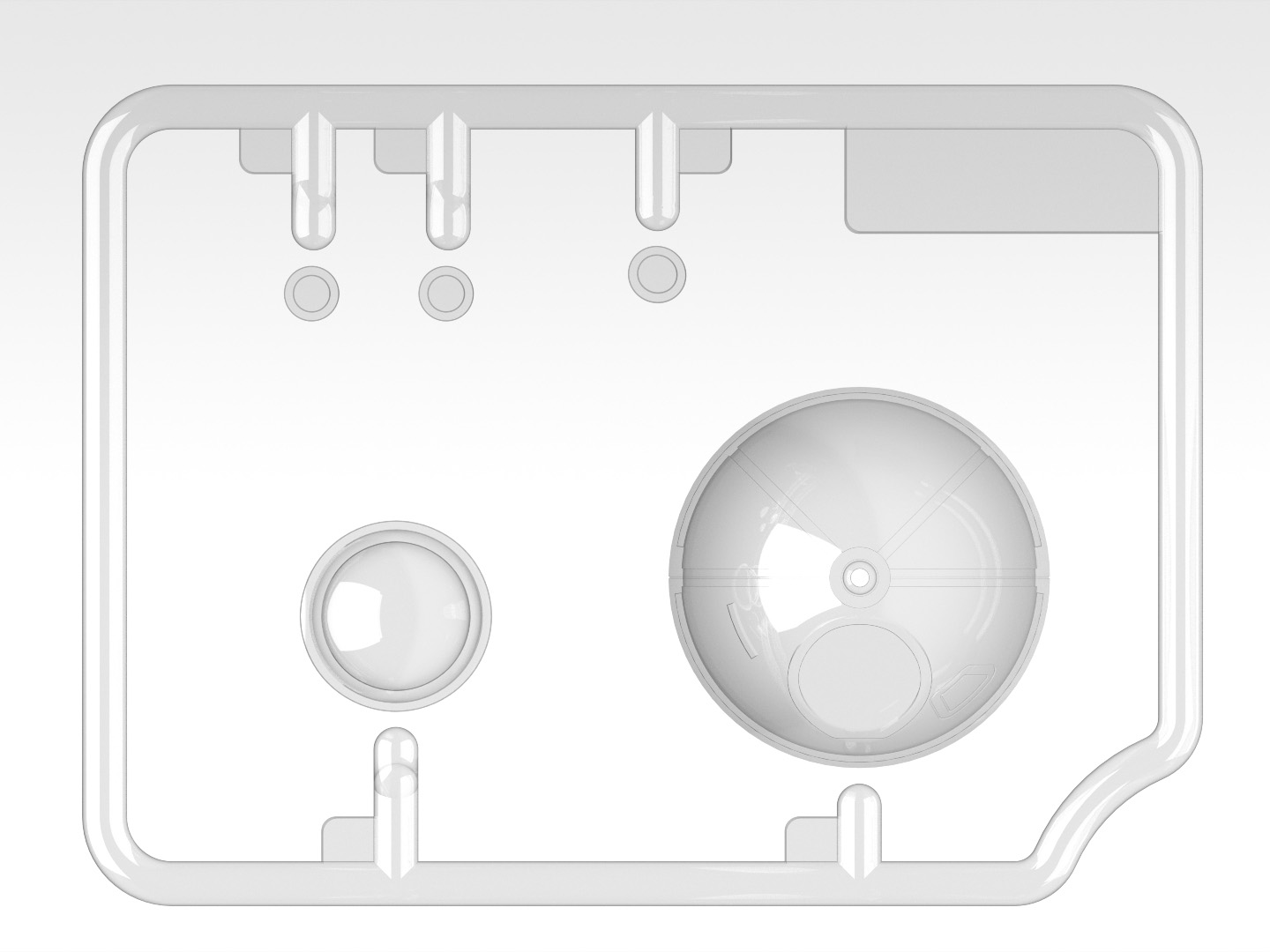
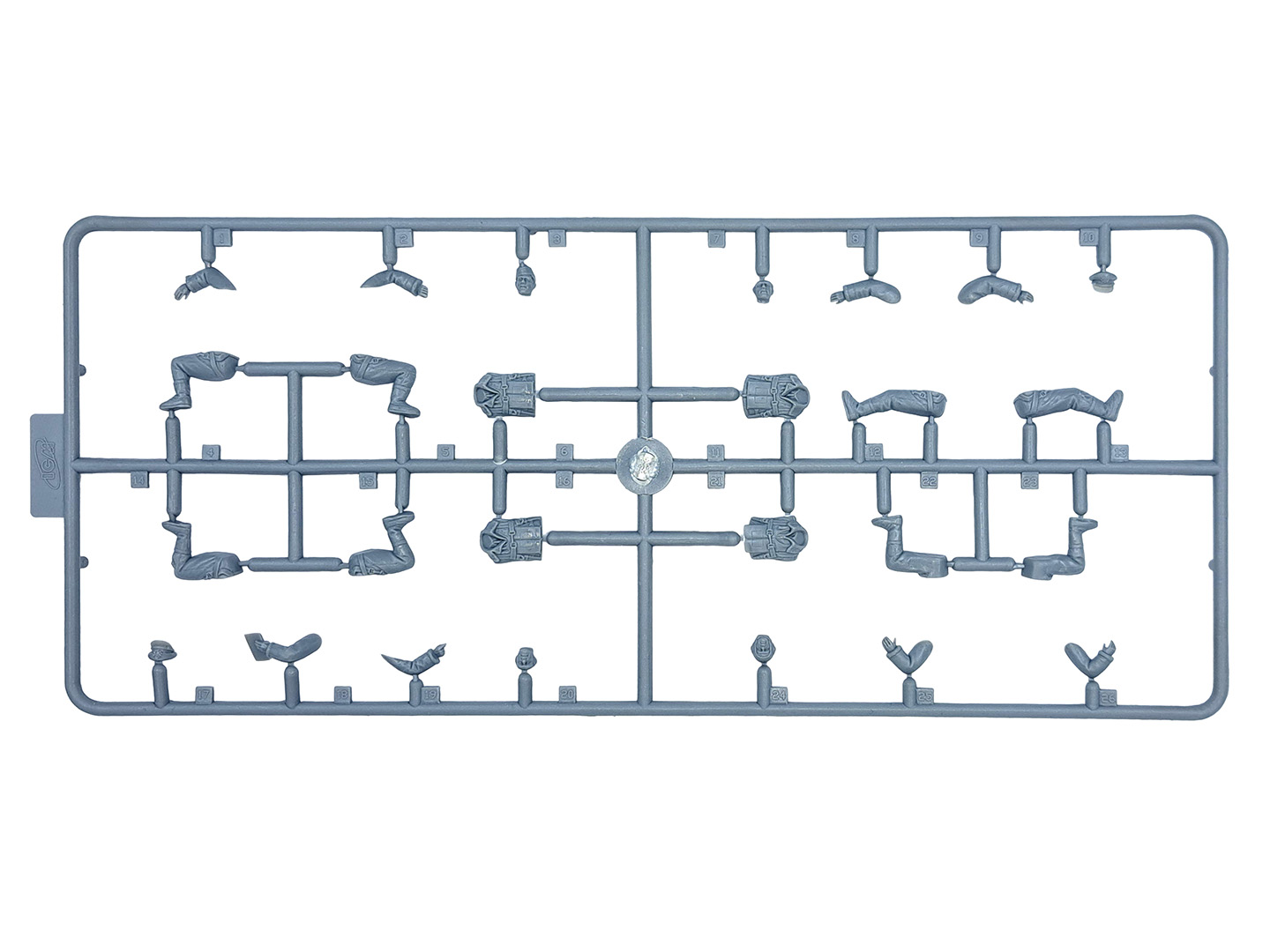
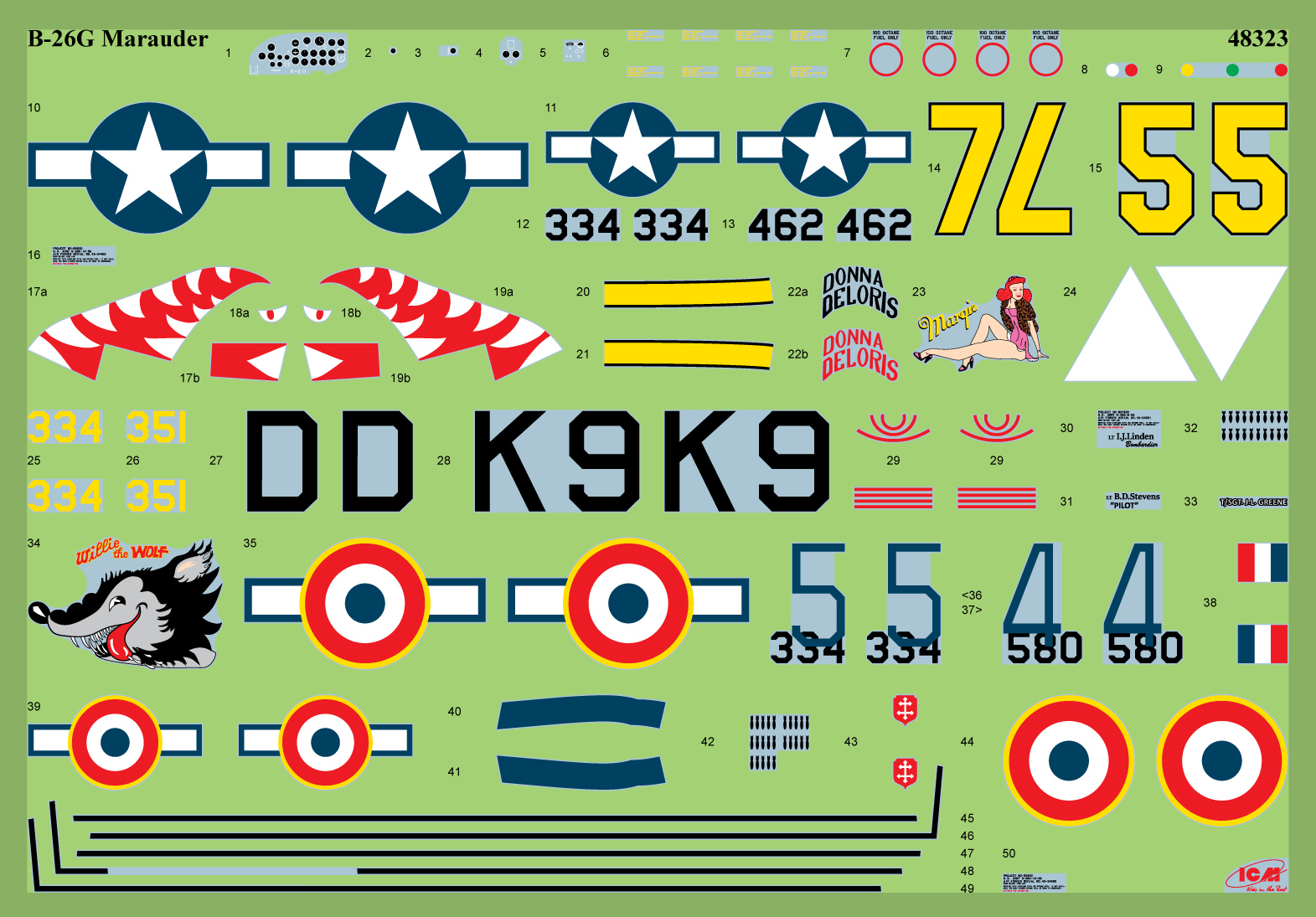
During World War II, the smallest administrative unit in the U.S. Army Air Corps (USAAC) was a group consisting of two to four squadrons. Air groups were equivalent to army regiments and were distinguished by their aircraft types. For example, the 17th, 319th, and 320th Bombardment Groups of the 12th U.S. Air Force in Europe flew B-26 Marauder aircraft. The B-26G model, manufactured by Glenn L. Martin Co. in Middle River, Maryland, was the last and most advanced variant of the Marauder line.
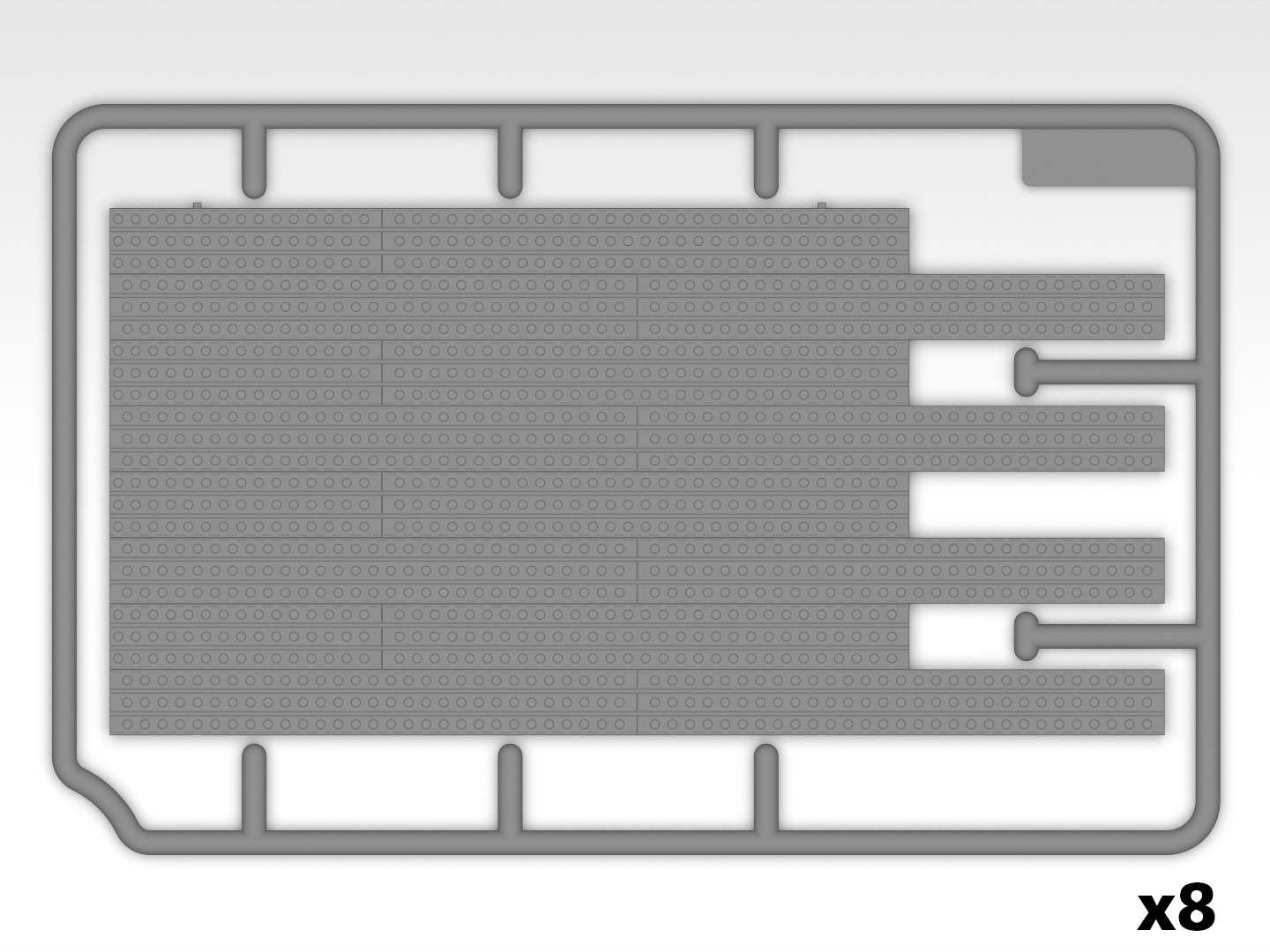
These aircraft flew extensive bombing operations across Europe—complex missions that demanded high skill from their crews. Each B-26 Marauder crew included pilots, bombardier-navigators, and rear gunners. The bombers operated from various airfields: permanent facilities with hard, durable surfaces and temporary field airstrips built with special Marston Mat planking. Made of steel, these planks could withstand heavy loads and created stable airfield surfaces for different aircraft on soft or unstable ground. Their perforated design allowed water to drain without compromising surface quality. Such Marston Mat airfields were common in Italy and France during 1944–1945.