
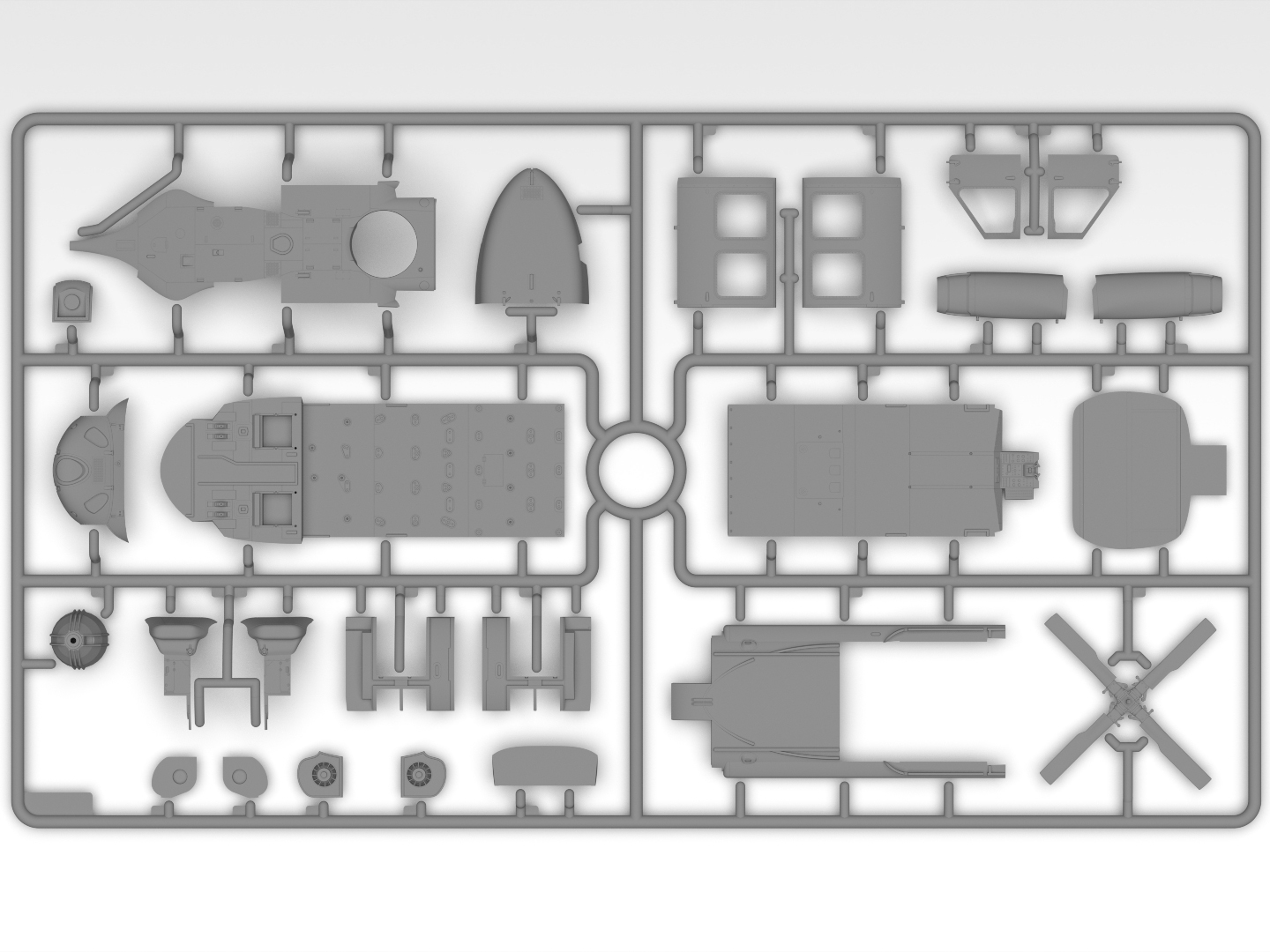
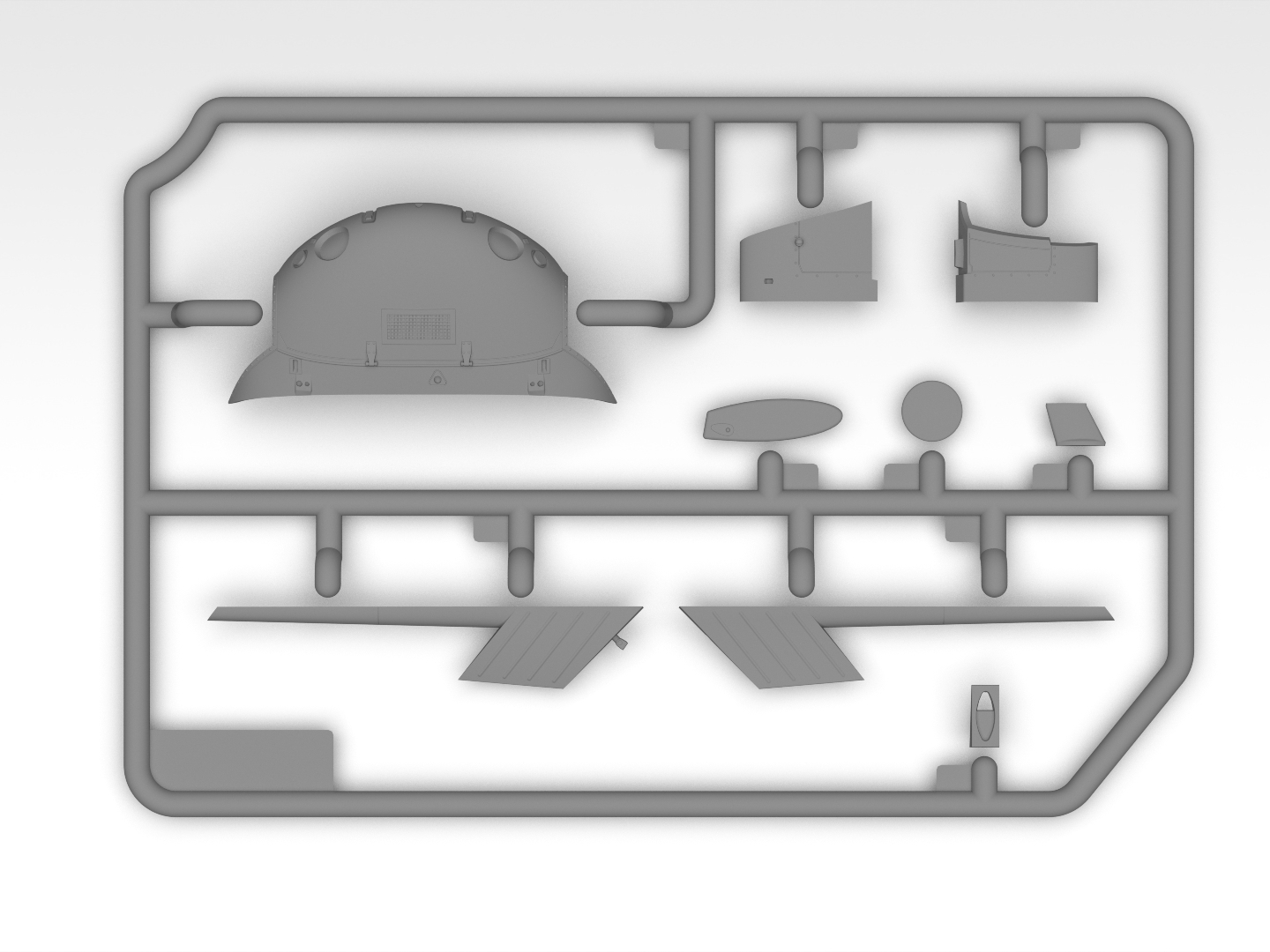
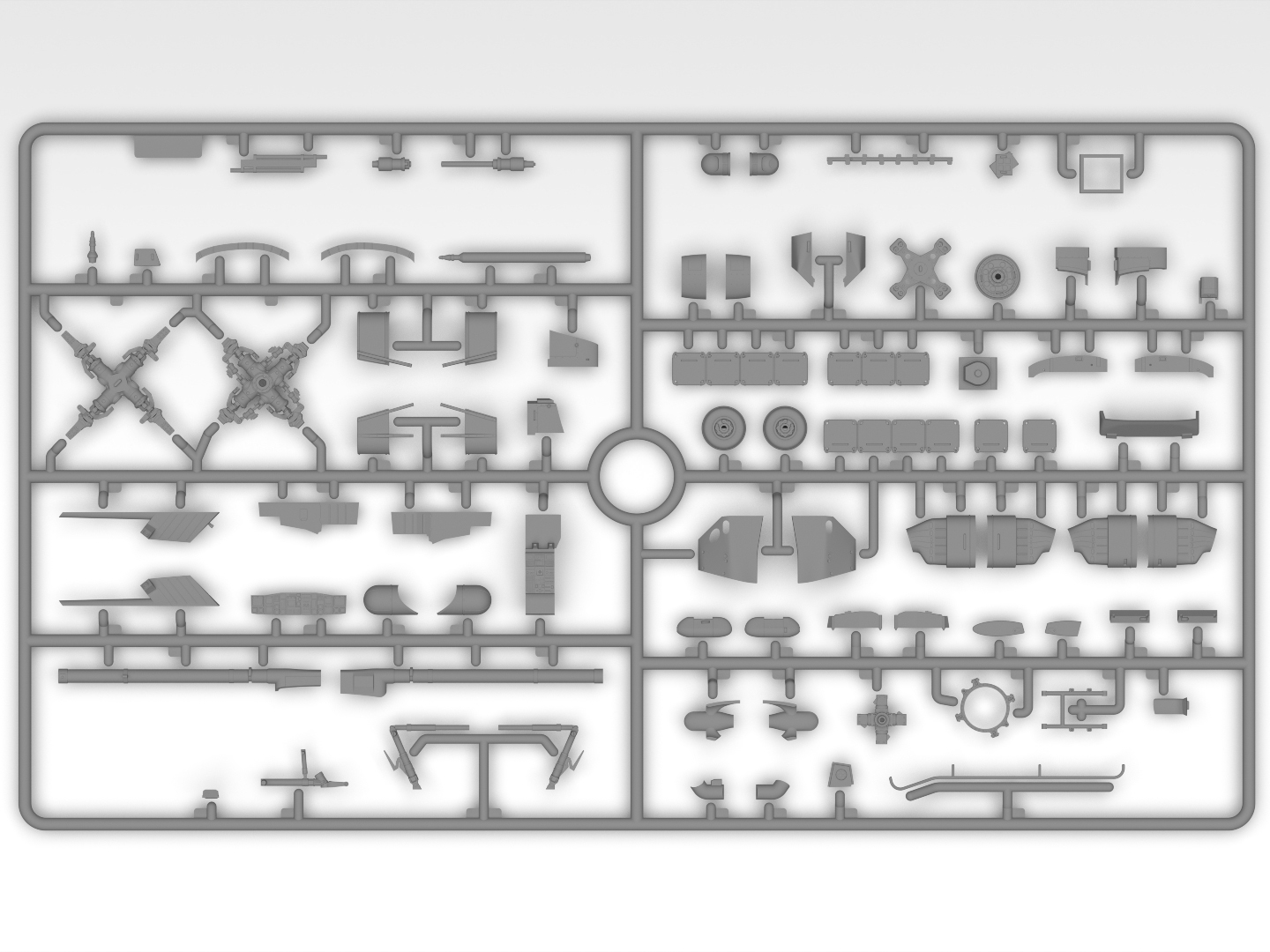
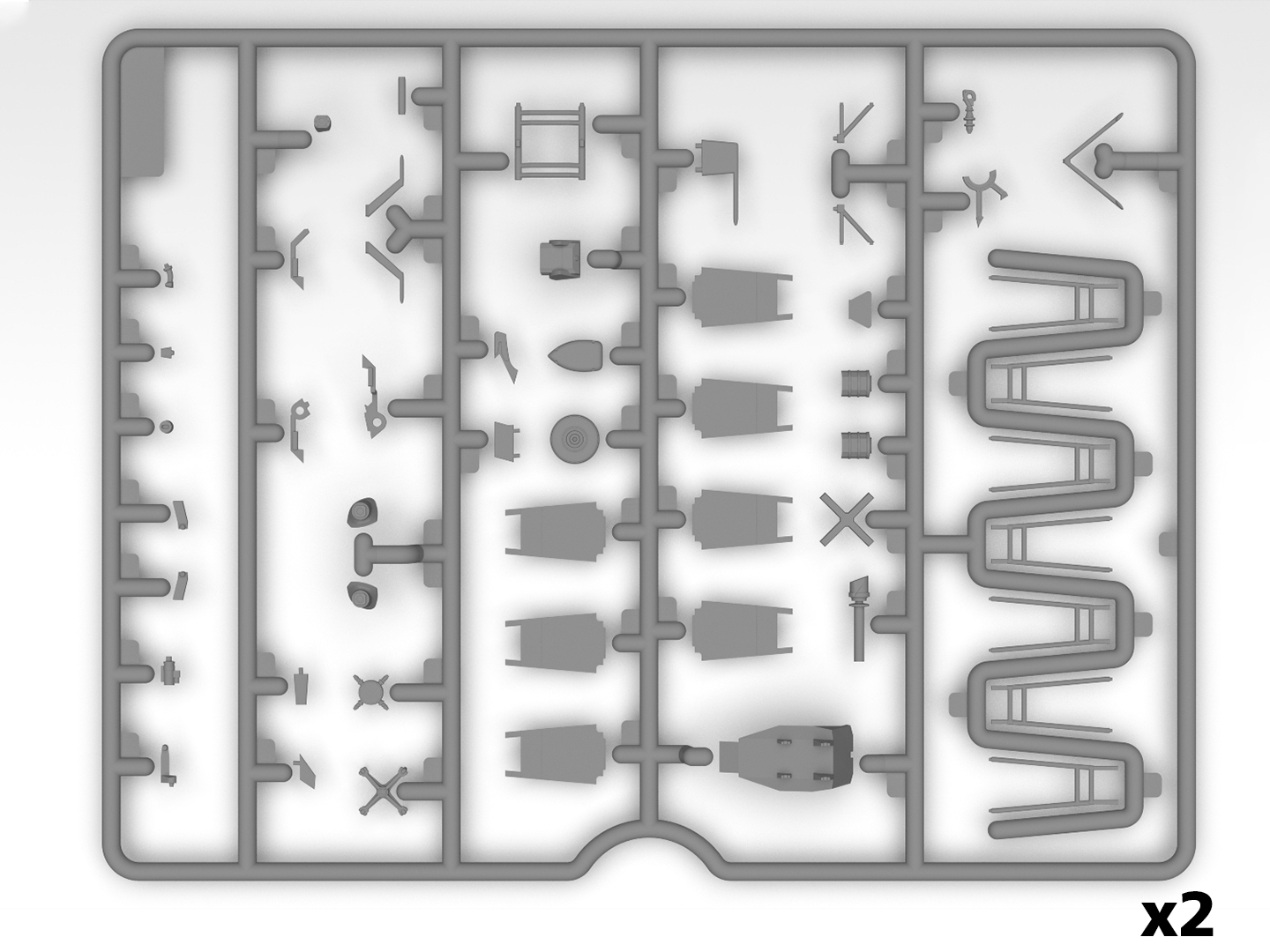
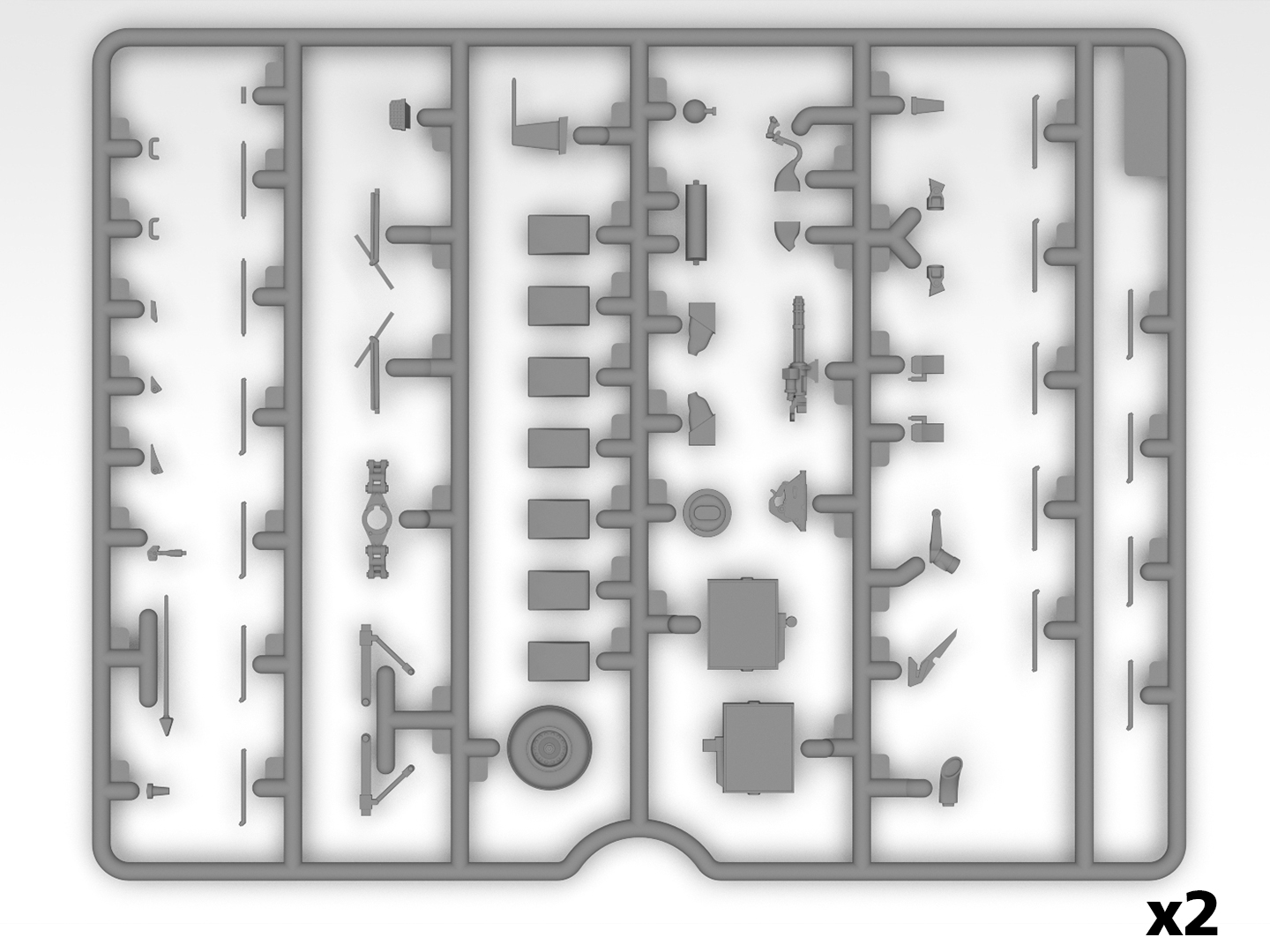
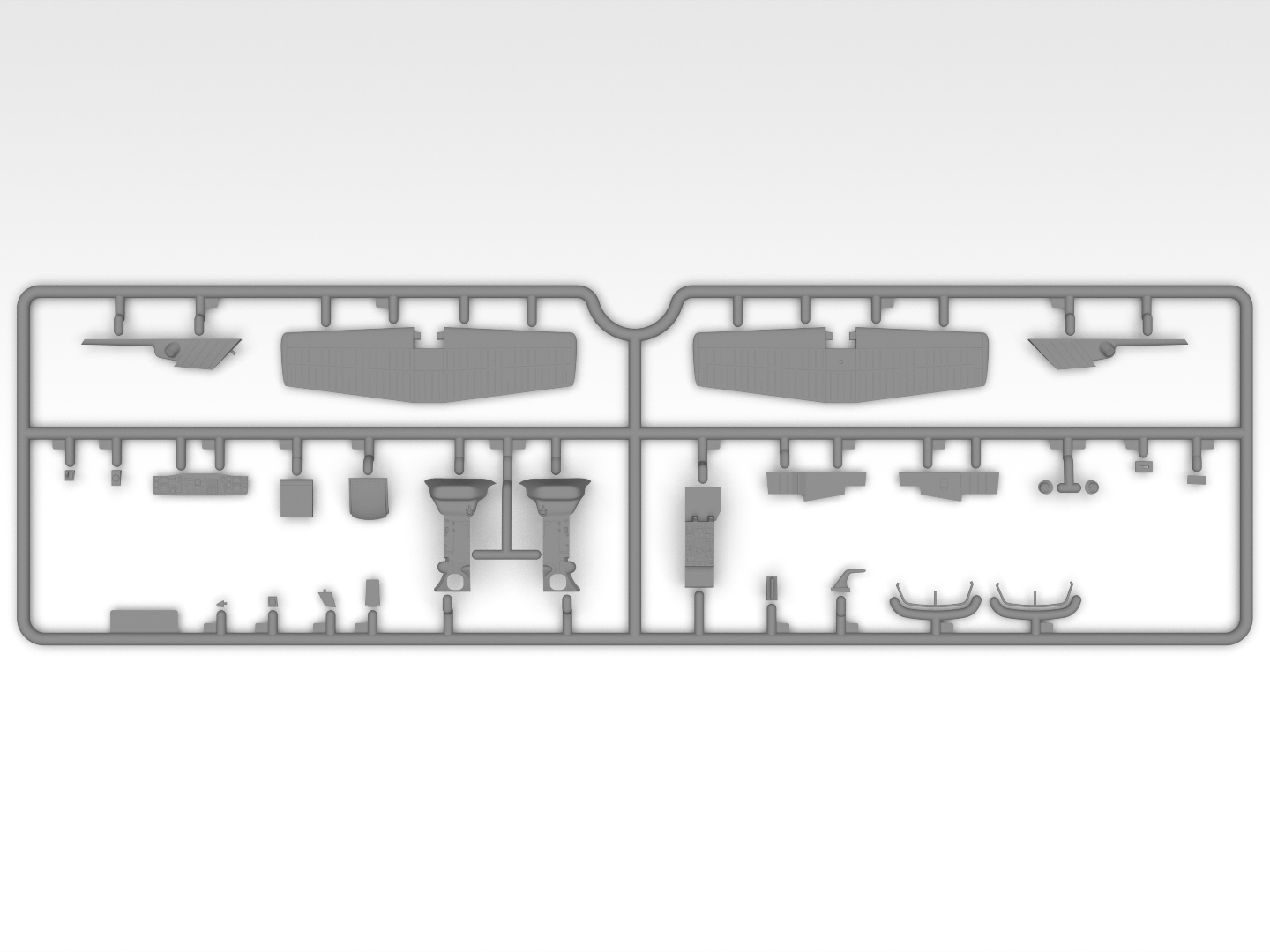
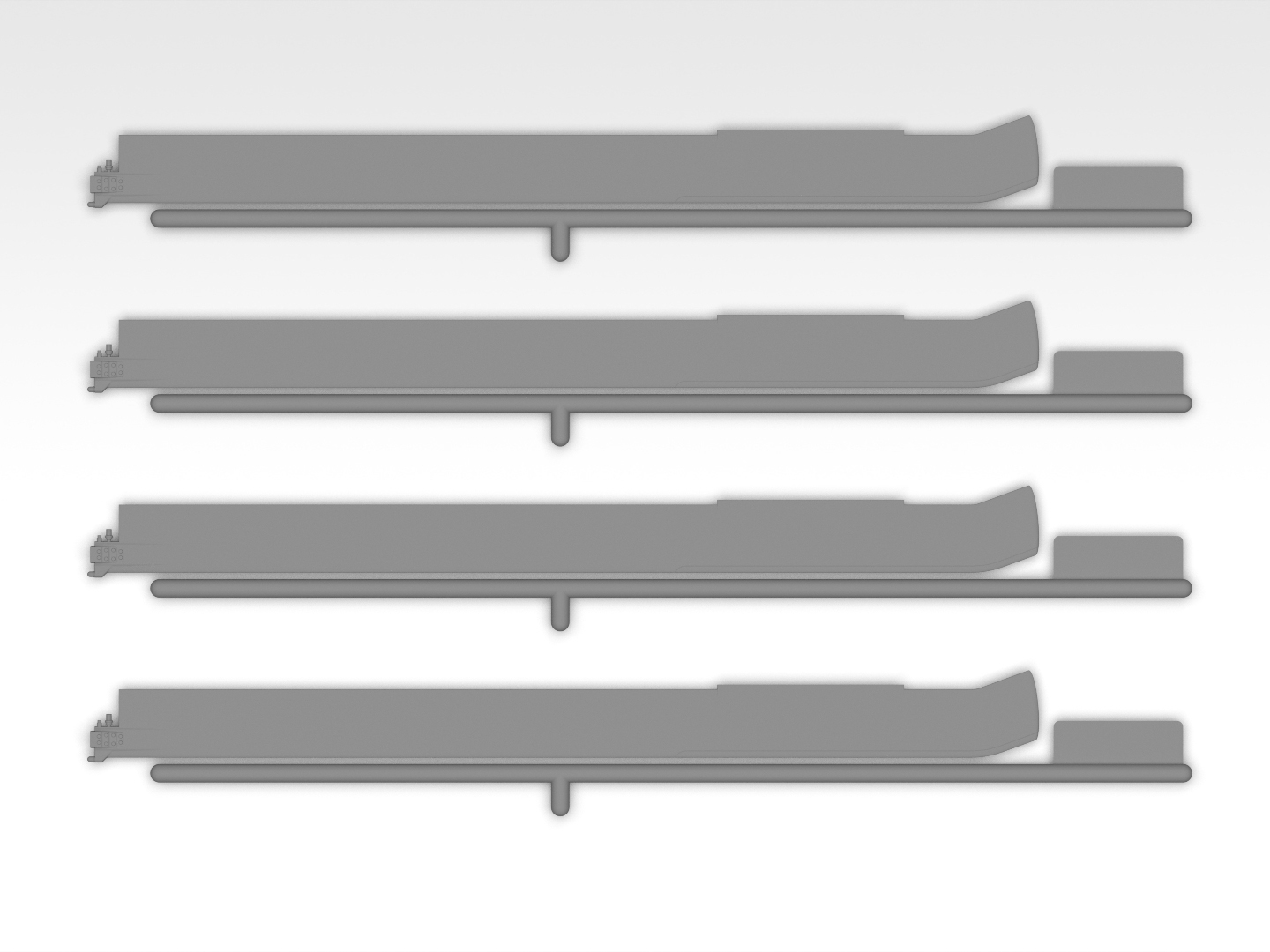
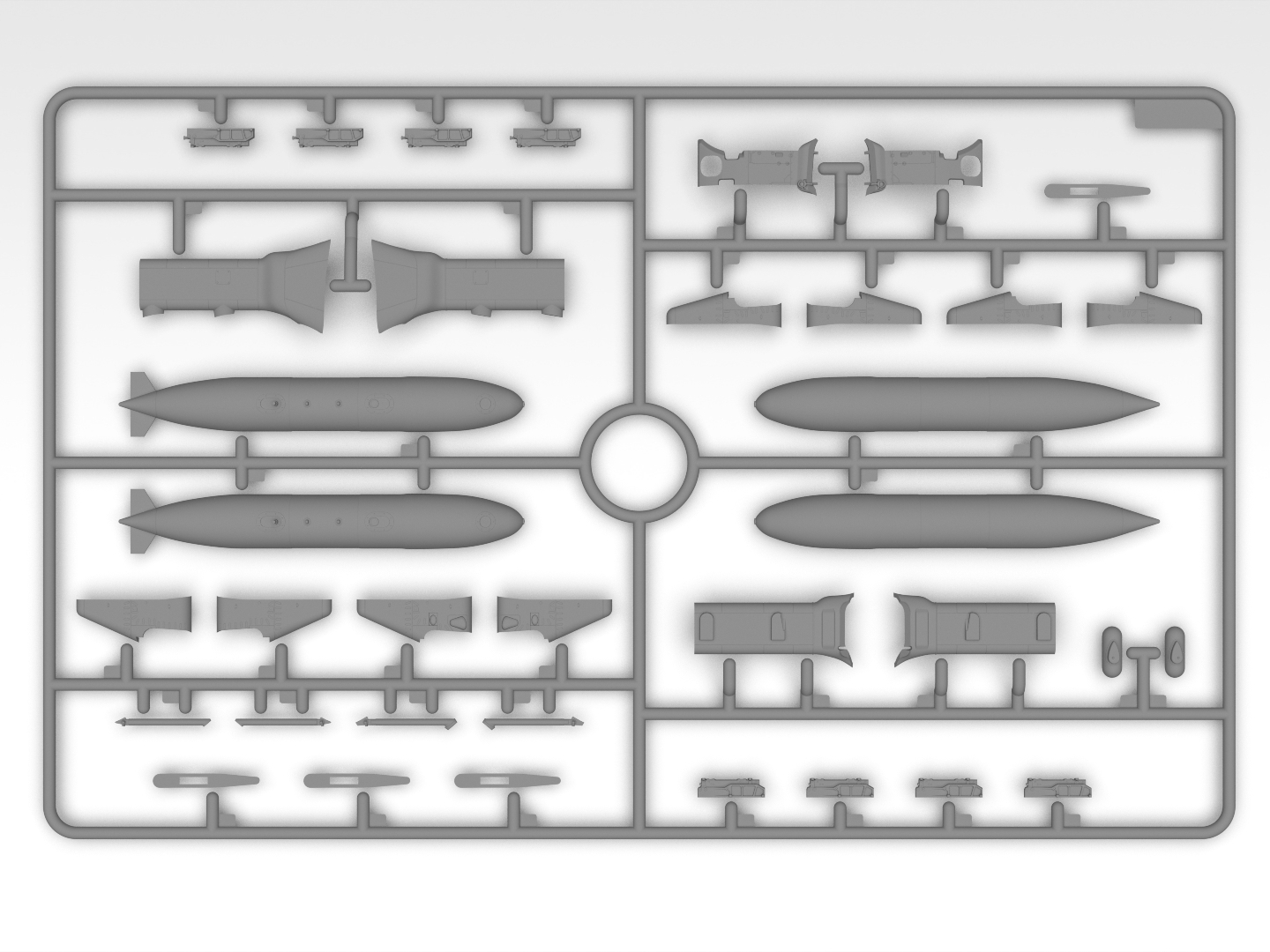
The UH-60 Black Hawk is a legendary multirole helicopter that became the backbone of U.S. Army aviation and many armed forces worldwide. The prototype made its first flight on October 17, 1974, and in 1979, the aircraft officially entered service with the 101st Airborne Division.
The Black Hawk saw its combat debut in Grenada in 1983, where it demonstrated exceptional survivability, withstanding hits from up to 23 mm rounds while continuing to fly even with significant damage.
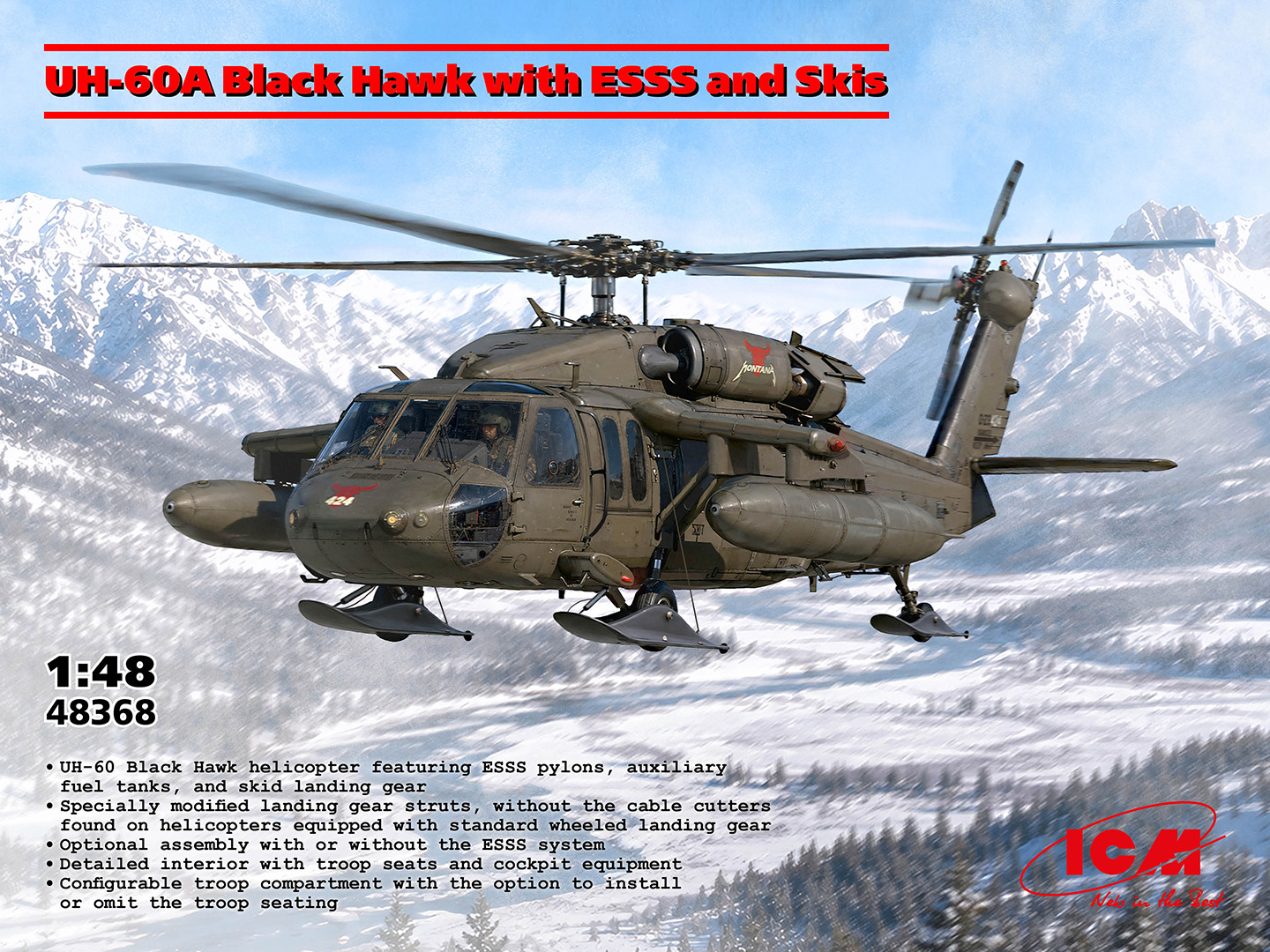
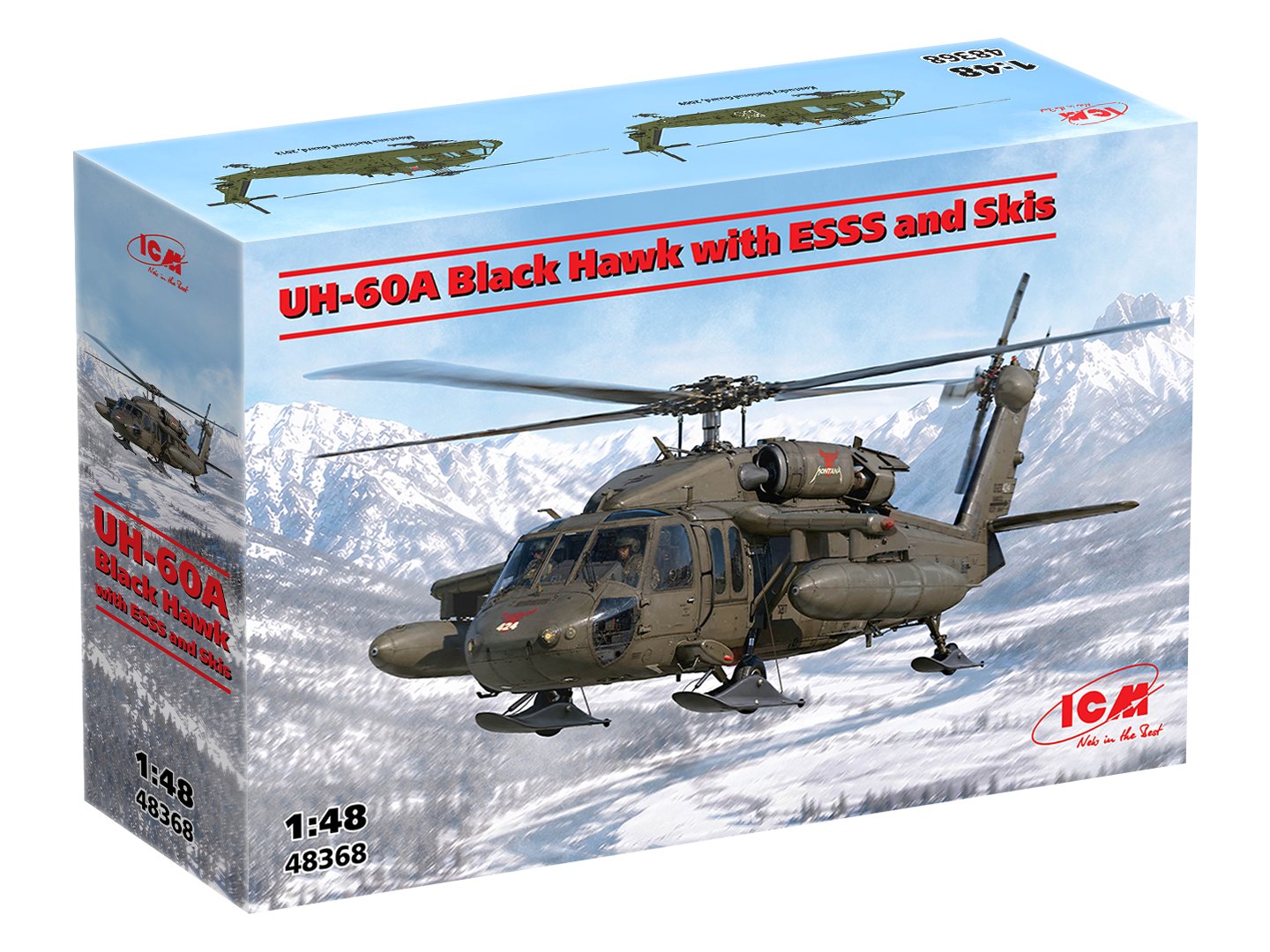
For missions in harsh environmental conditions and extended-range operations, the UH-60 Black Hawk can be equipped with the External Stores Support System (ESSS) and skid landing gear. The ESSS consists of special pylons mounted to the fuselage, allowing the carriage of external fuel tanks with a capacity of 230 or 450 gallons. With this configuration, the helicopter’s one-way ferry range increases to 2,132 kilometers. However, this setup requires increased pilot attention and skill during flight operations.
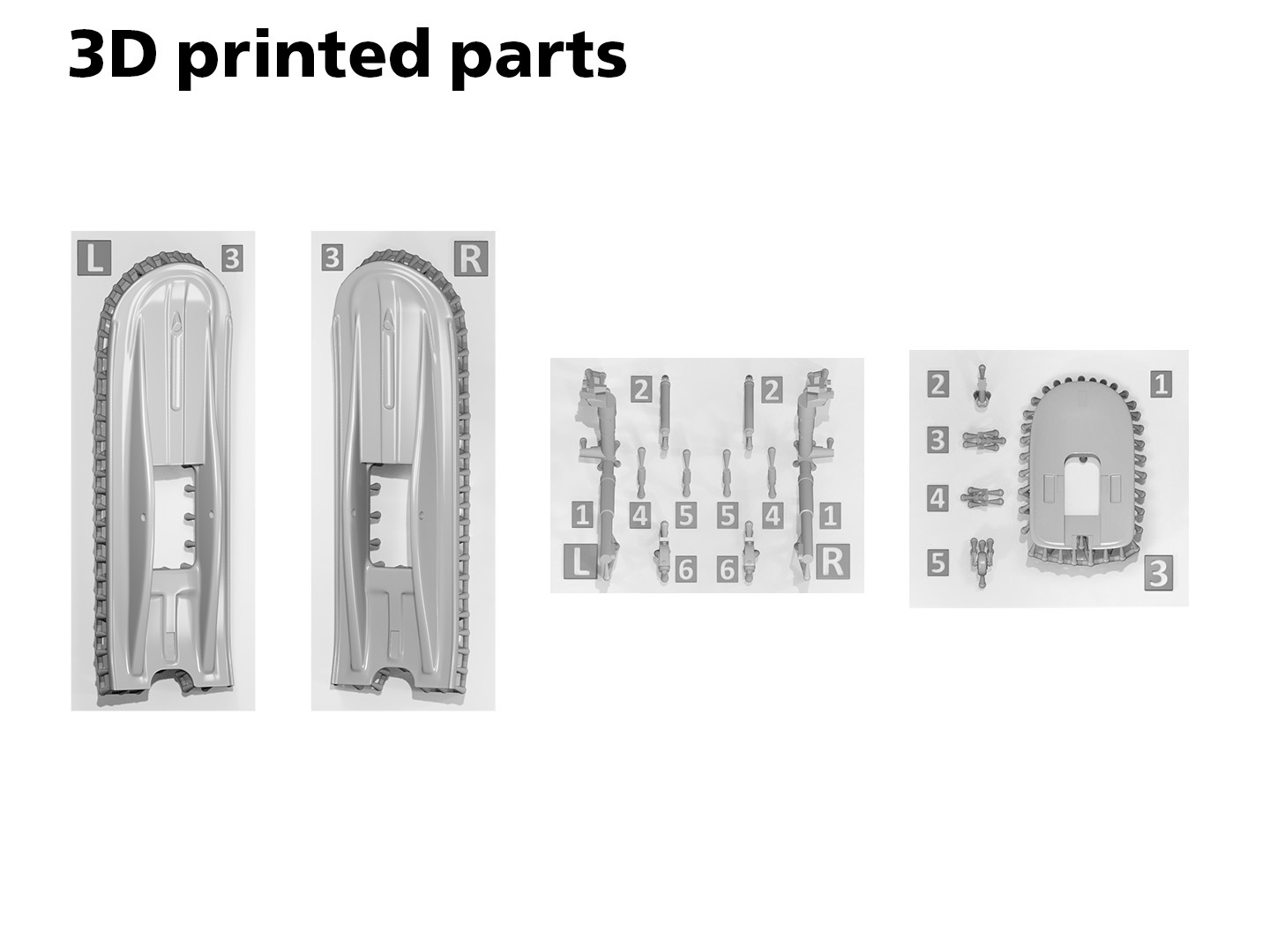
The skid landing gear is made of fiberglass and is designed to improve landings on deep snow or soft, swampy tundra terrain. At the same time, the wheels pass through openings in the skids, allowing taxiing on paved runways.
The use of skids imposes certain limitations, as maximum flight speed is reduced and landings are possible only on relatively level surfaces. They also somewhat restrict cabin access and complicate loading operations. The skid-equipped configuration is typical for certain U.S. National Guard units.