
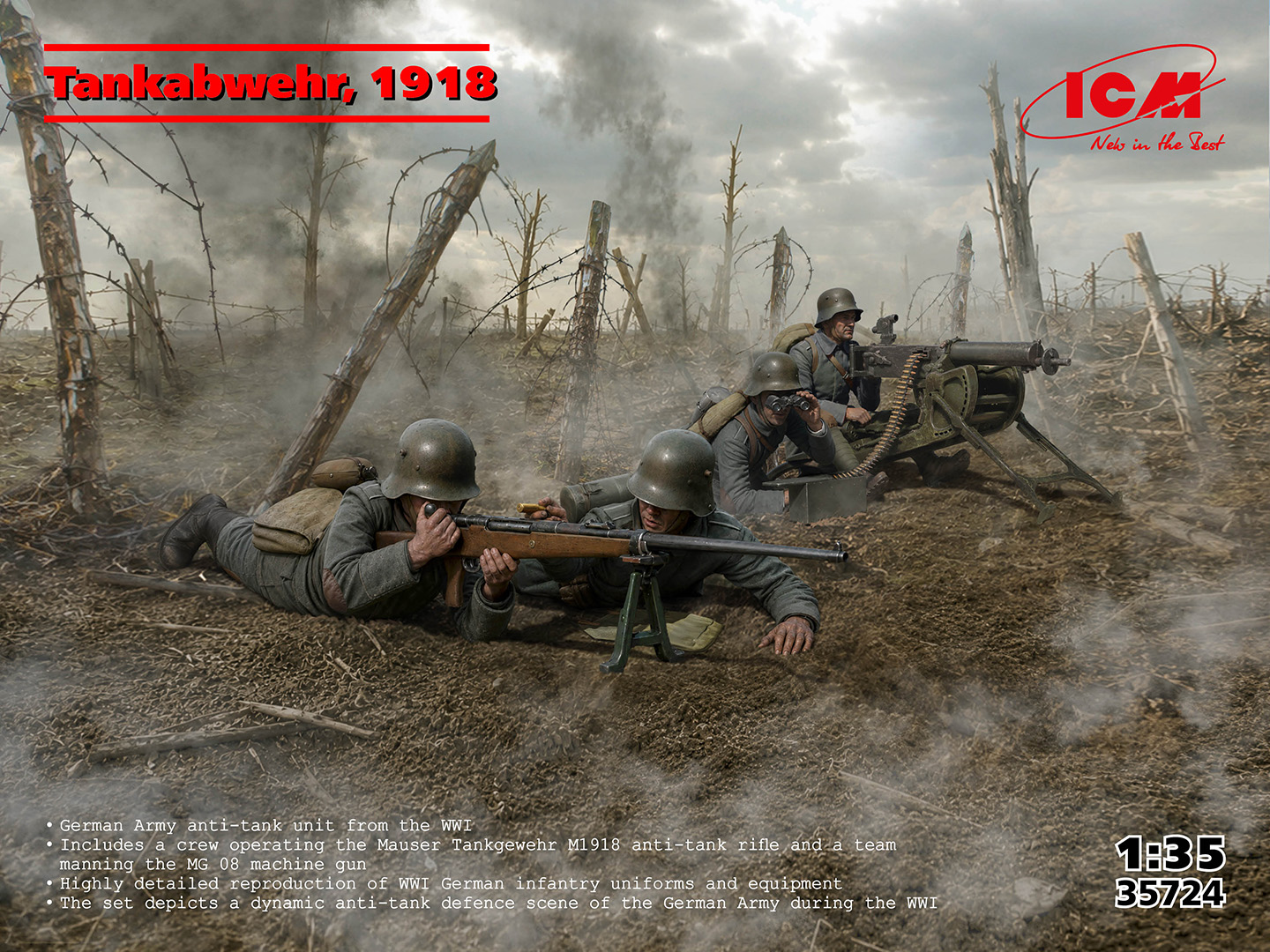
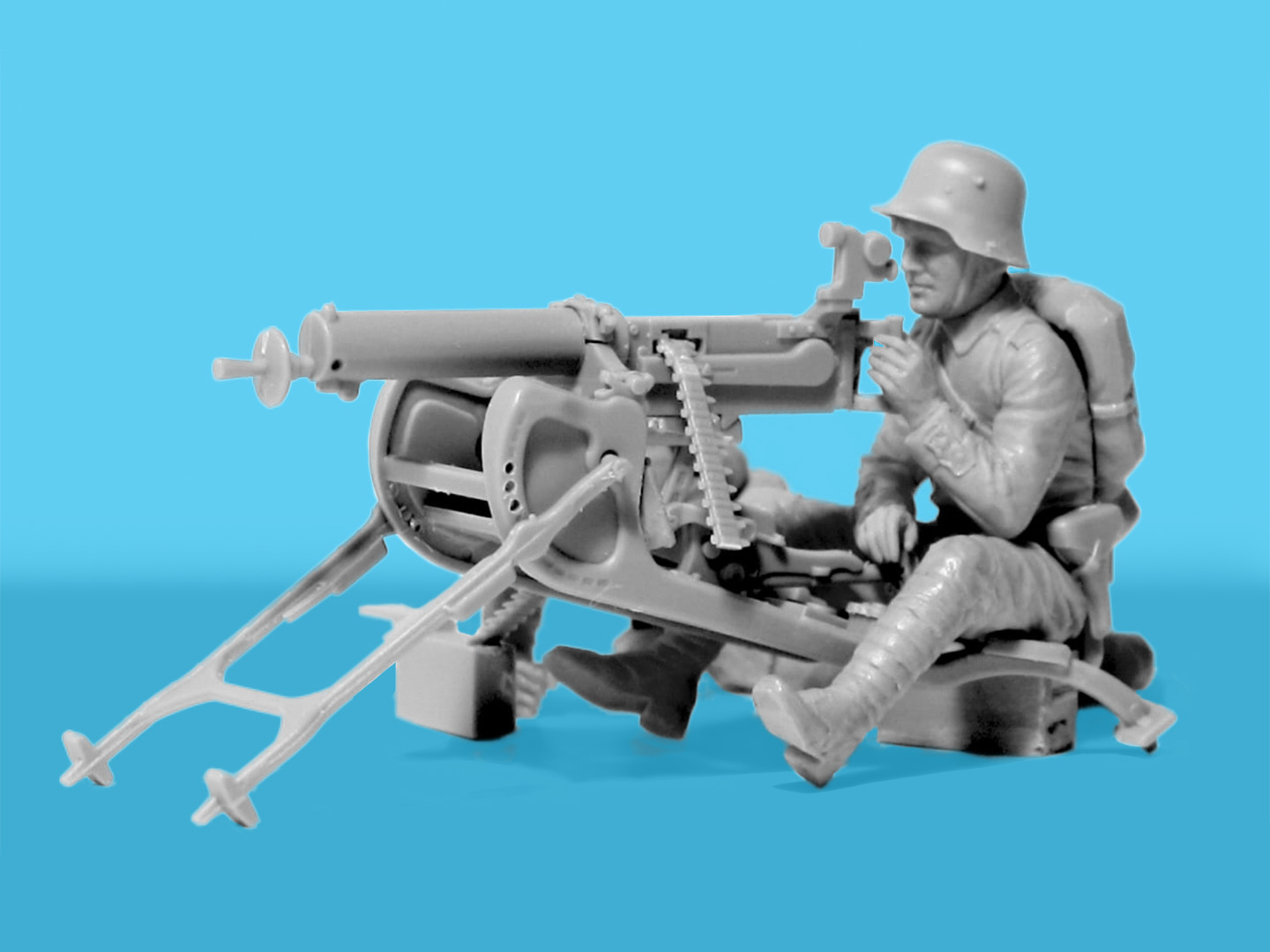



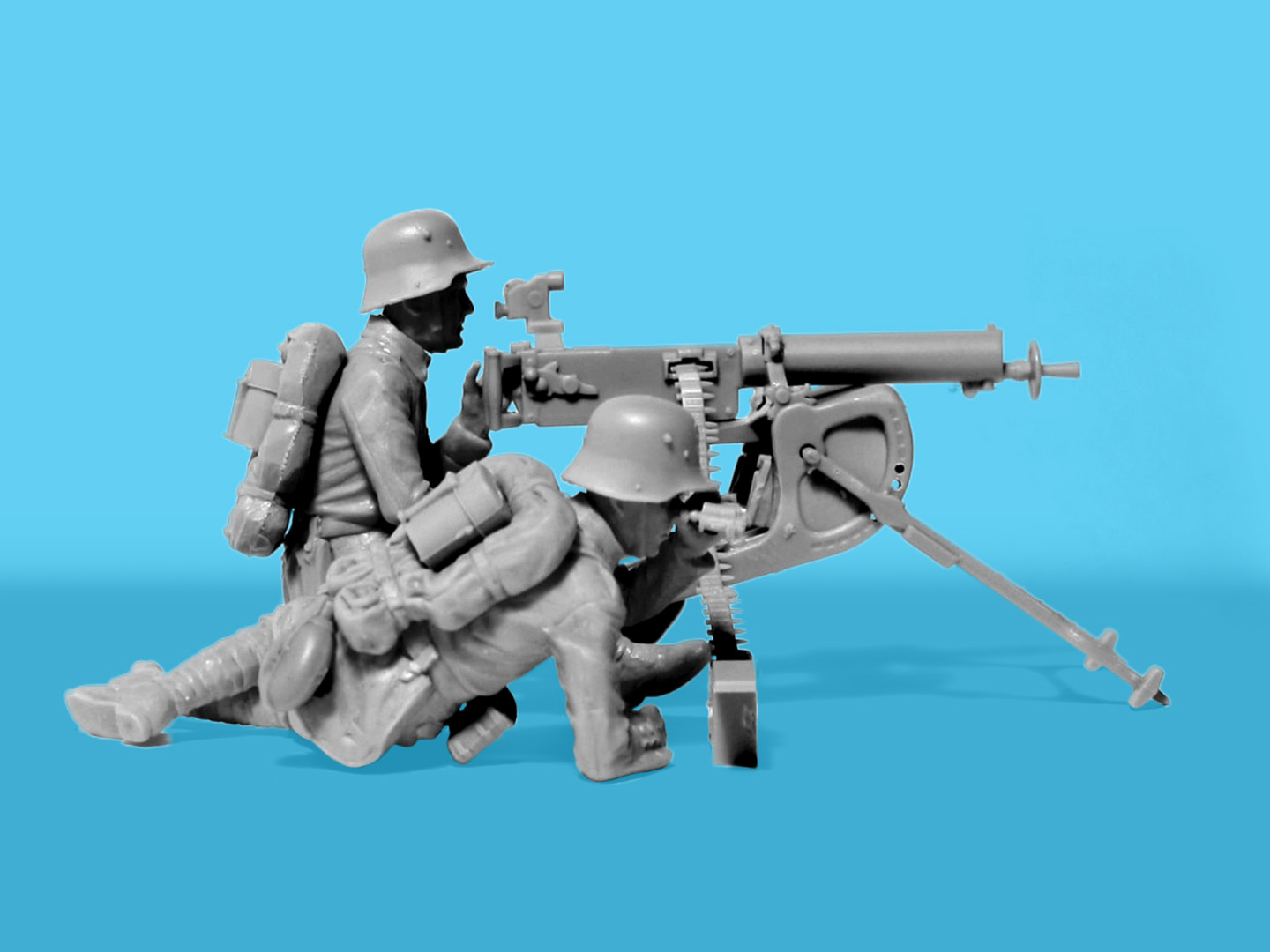
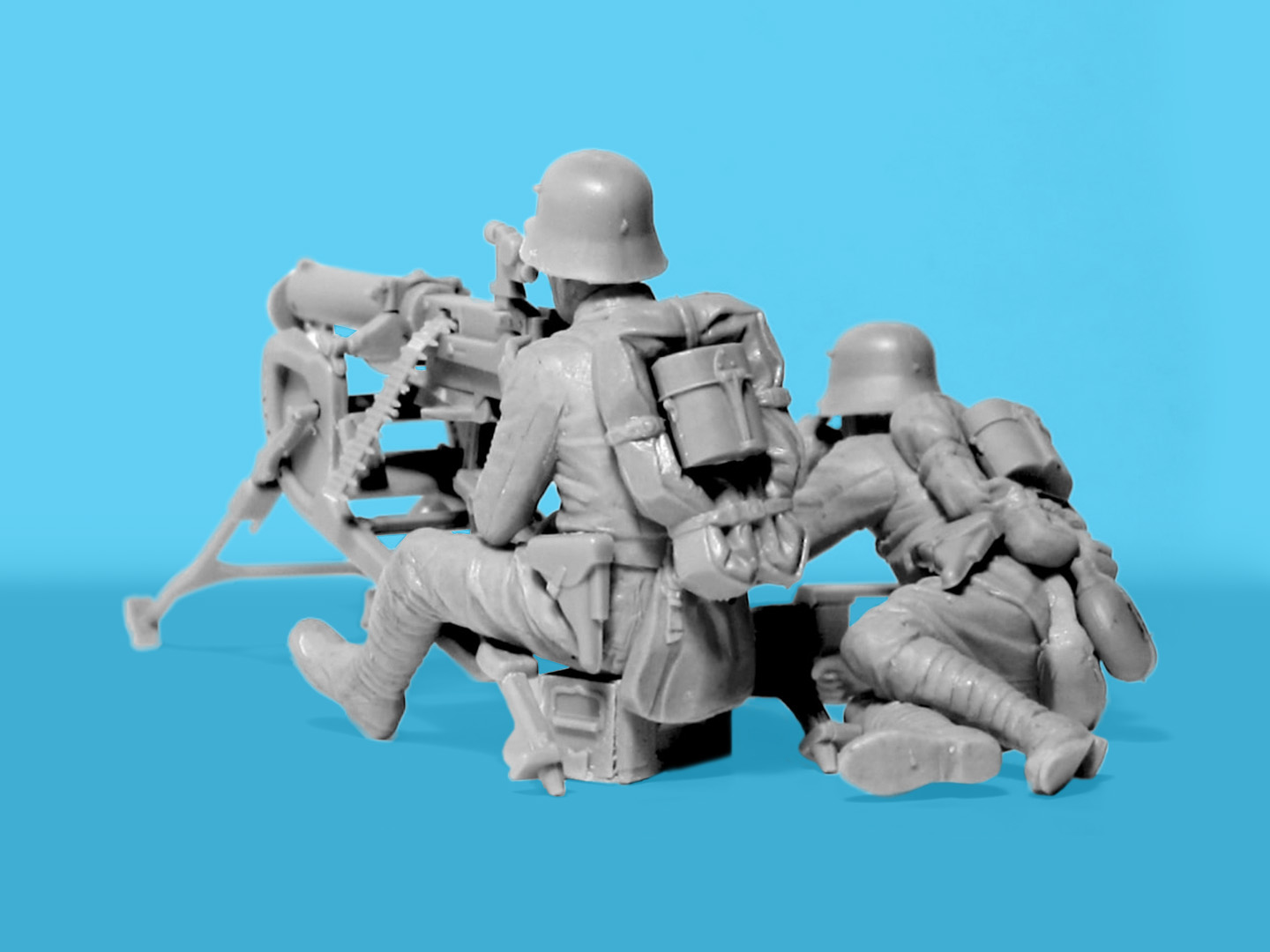
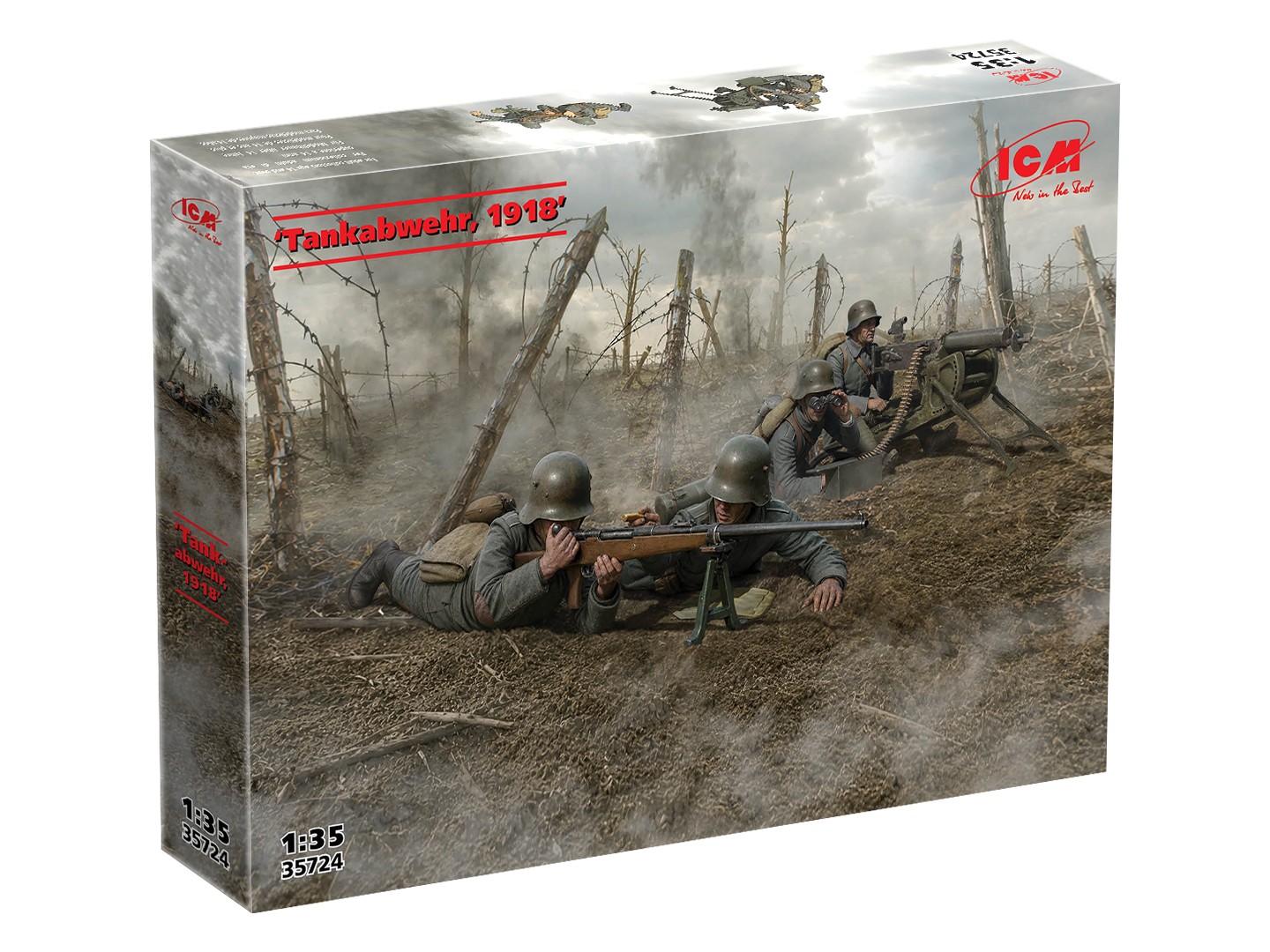
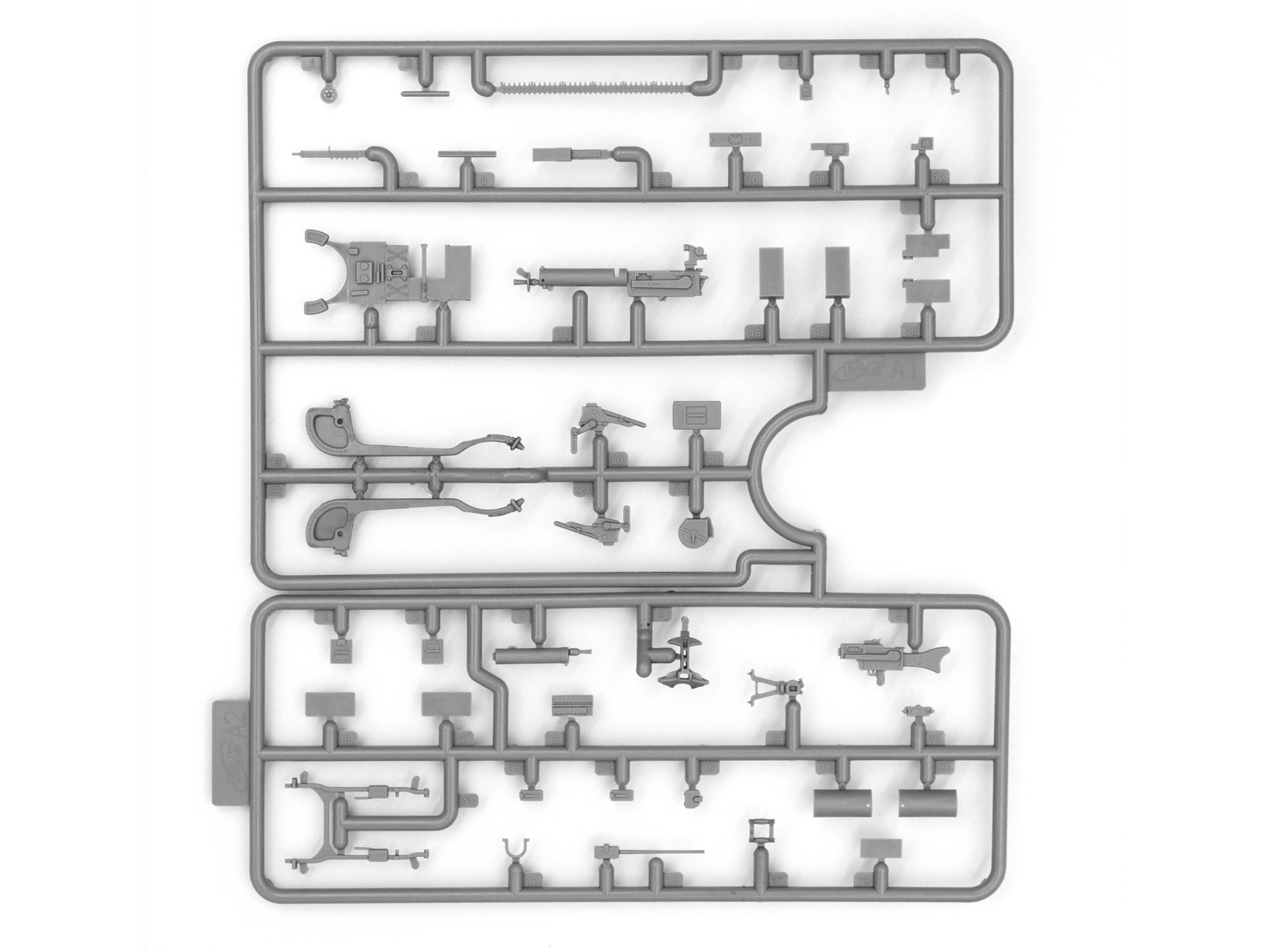
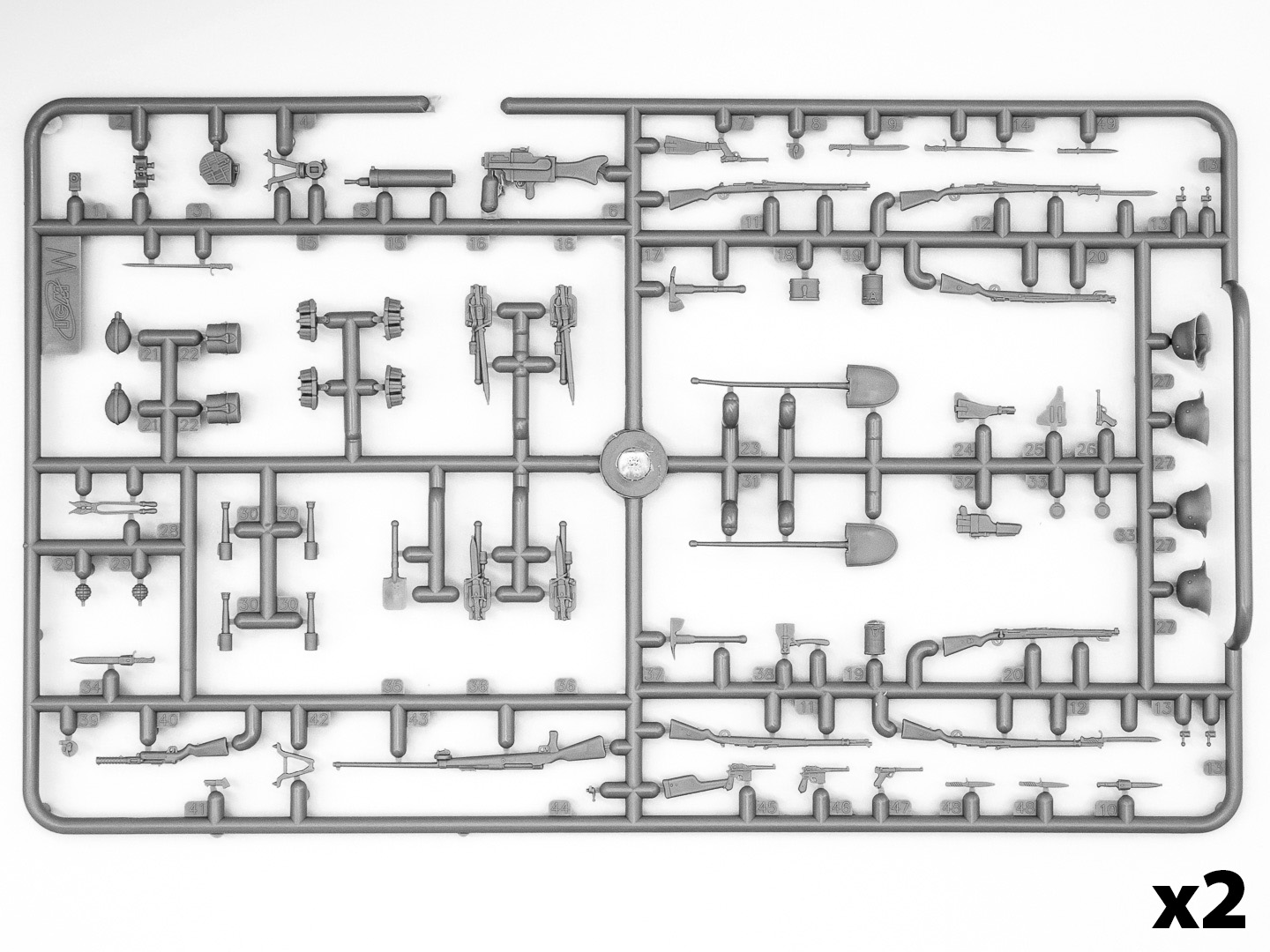
When British Mark I tanks first appeared on the Somme in 1916, German soldiers were often defenceless, attempting to use various improvised means against them. Later, a special armour-piercing 7.92 mm “K” (Kern) bullet with a steel core was developed, and cartridges with these bullets were included in the ammunition load of MG 08 machine guns.
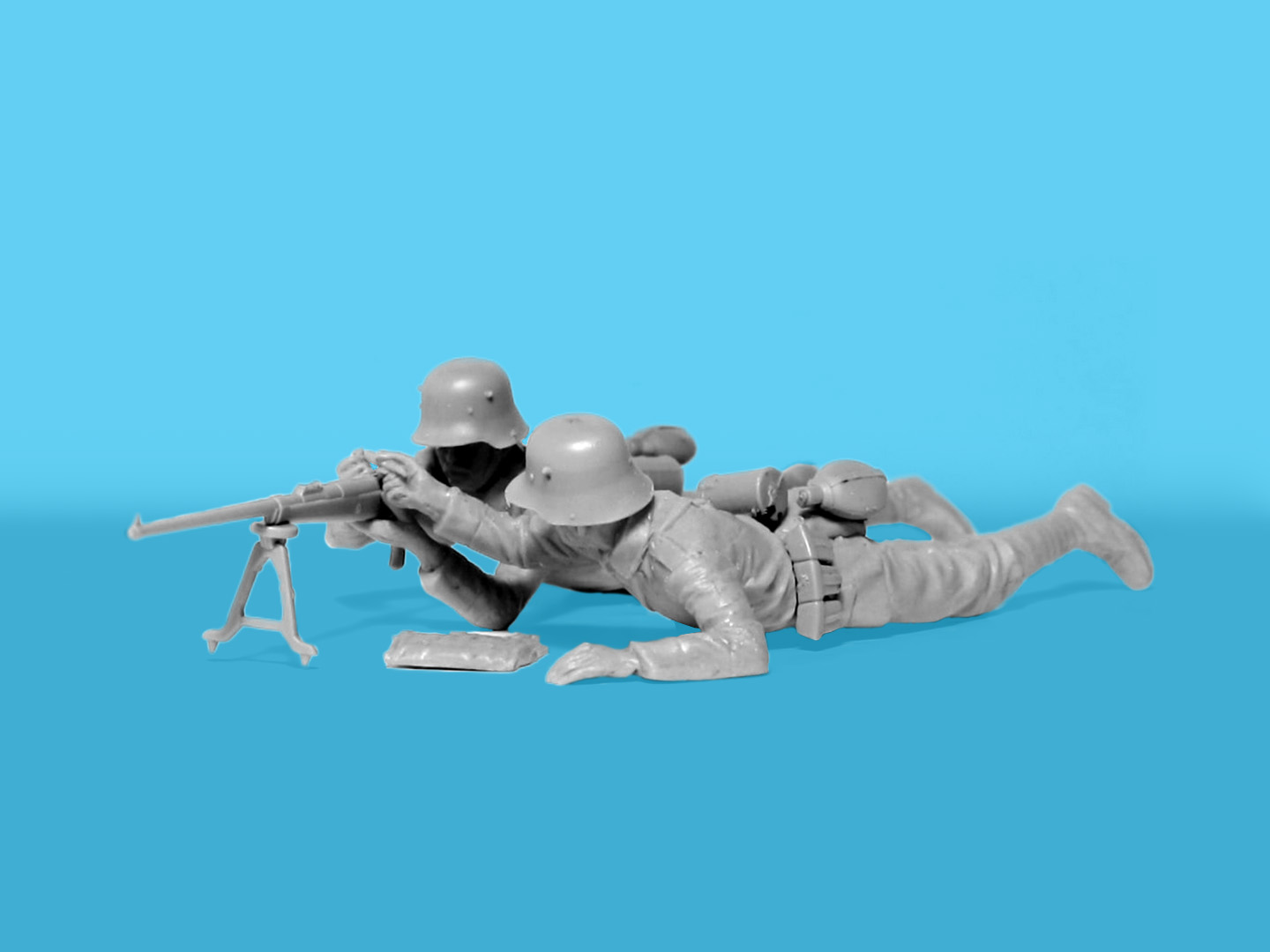
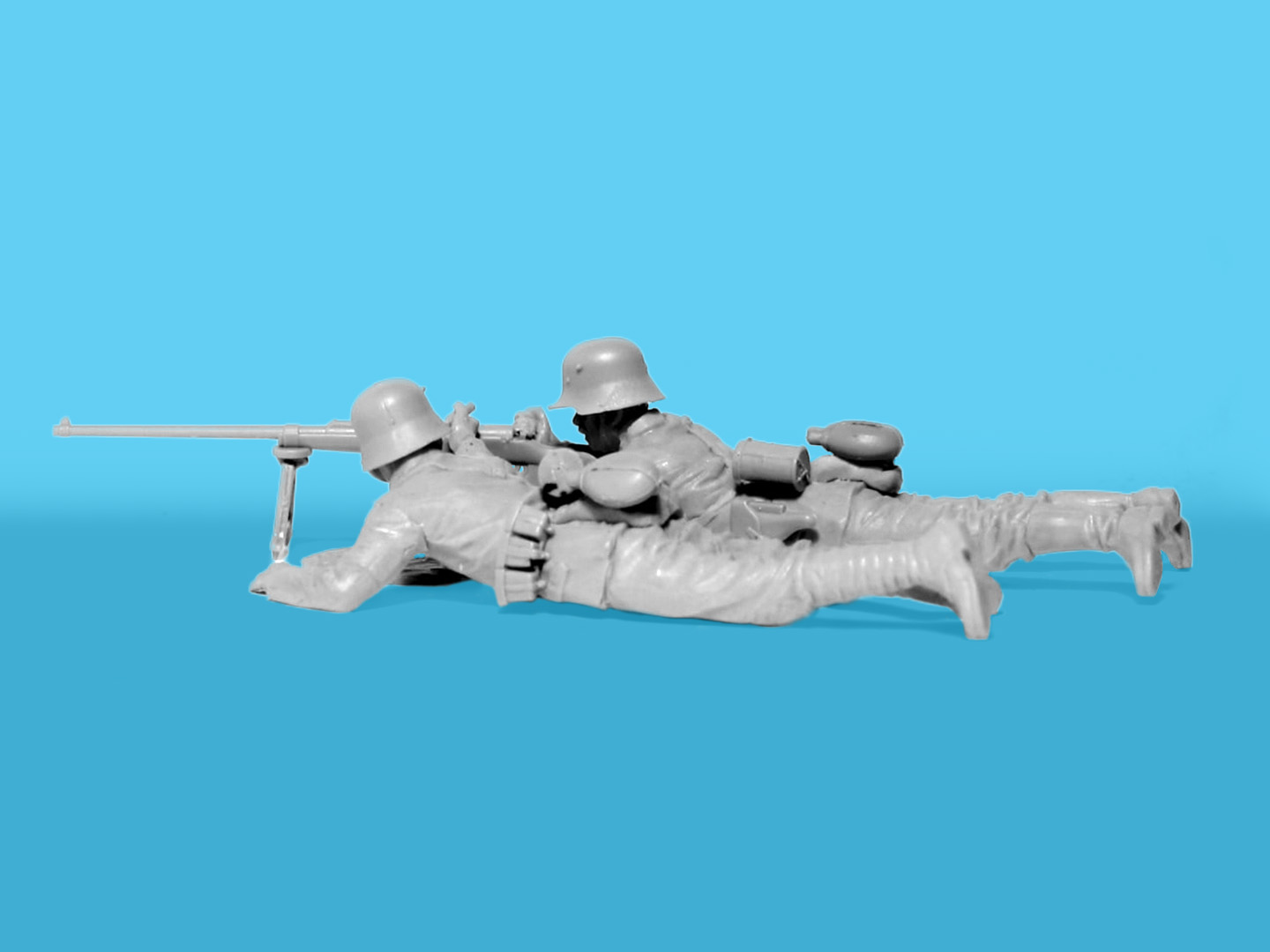
In November 1917, the German command ordered Mauser to develop a specialised weapon – the Mauser Tankgewehr M1918 (T-Gewehr). It was the world’s first anti-tank rifle, created exclusively for destroying armoured targets. It was single-shot, operated by a two-man crew, had a calibre of 13.2 mm, and weighed 17.7 kg. This weapon could penetrate a 26 mm steel plate at a distance of 100 metres and 18 mm at 500 metres.
On the front, special units began to be formed to combat tanks, equipped with anti-tank rifles and machine guns. Anti-tank rifles were typically deployed in groups of 4-6 units along the main defensive line or just behind it. Machine guns were often placed in camouflaged positions to provide flanking fire.
For effective use of anti-tank rifles, it was recommended to concentrate fire on the driver’s position and fuel tanks, while machine-gun fire was directed at the viewing slits of armoured vehicles.