
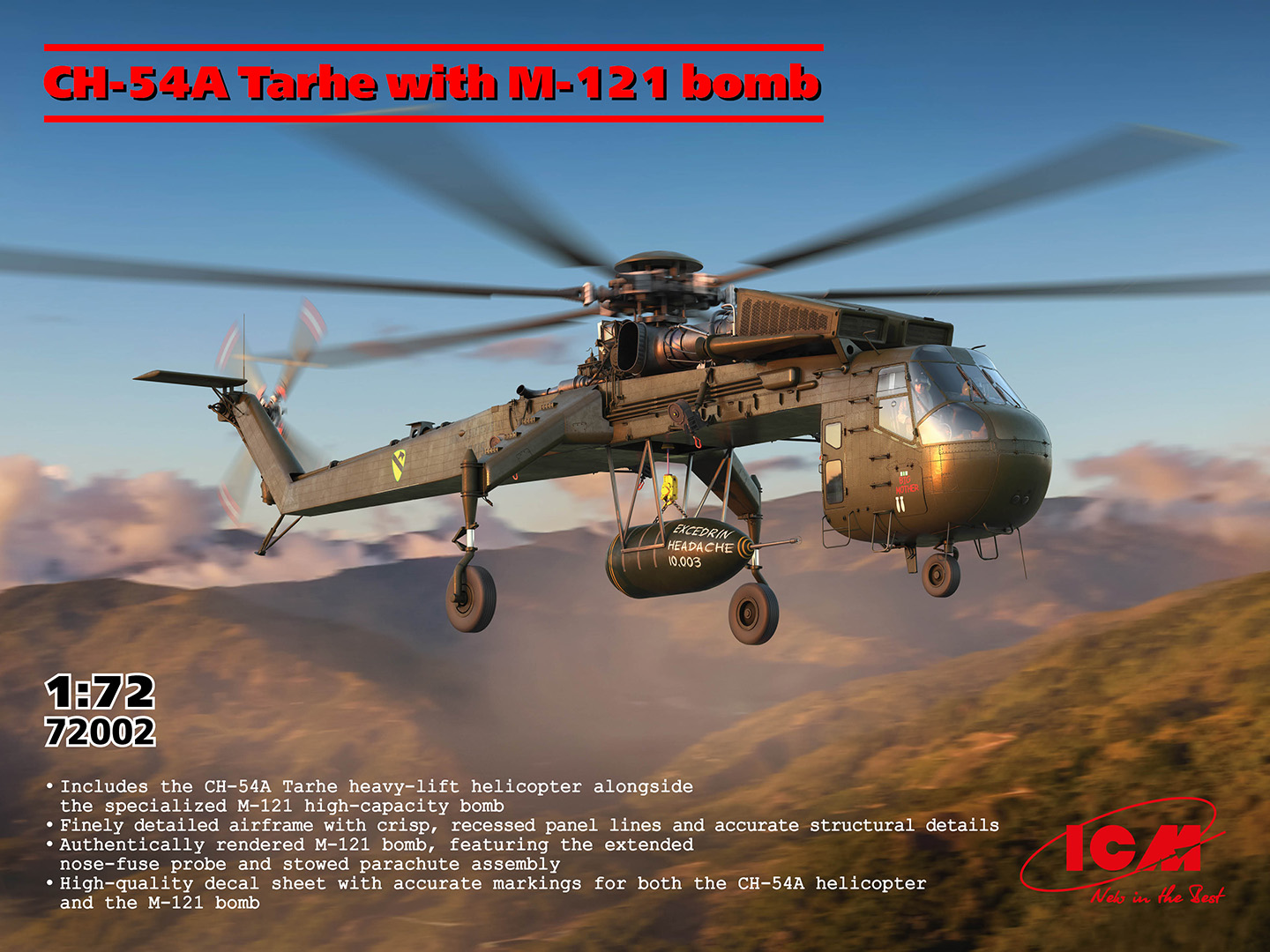
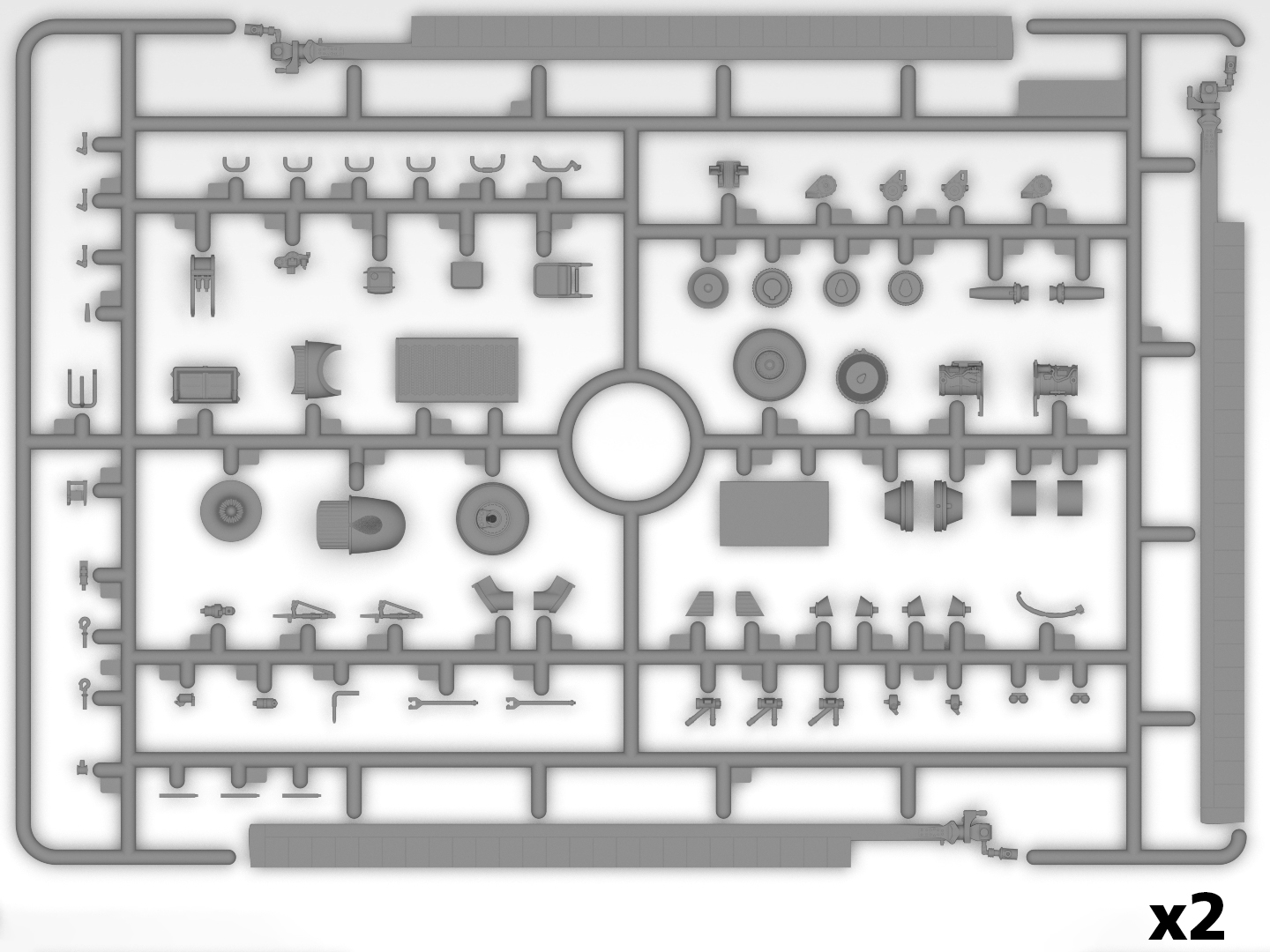
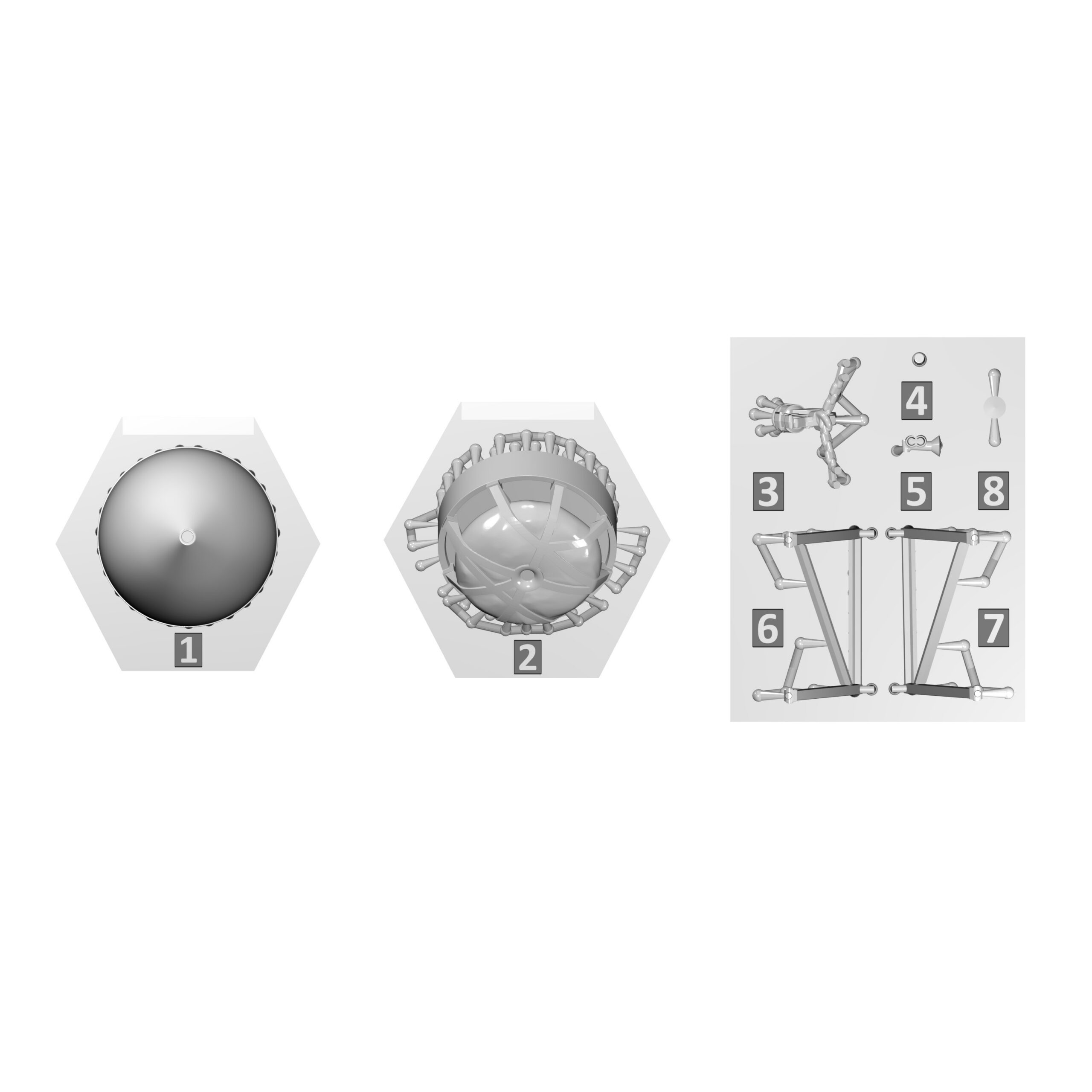
During the Vietnam War, the U.S. Army deployed the CH-54A Tarhe heavy-lift helicopter to deliver the massive M-121 high-capacity bomb. Detonated just above the canopy, these heavy munitions were used to blast open immediate landing zones in dense jungle for Army aviation.
Carrying the ordnance required minimal aircraft modification: a dedicated mounting system was fitted under the fuselage to securely carry the bomb beneath the airframe. To control its fall, engineers developed a specialized parachute that stabilized the bomb and slowed its descent. Achieving a precise airburst roughly one meter above the ground required a long nose probe housing the fuse. During descent, a small propeller at the tip of the probe spun to arm the fuse prior to impact.
A typical bombing mission required four precision passes over the target. On the first three runs, the crew dropped smoke markers to gauge wind conditions. The aft pilot, serving as the bombardier, tracked the smoke drift and relayed steering corrections to the flying pilot. On the fourth pass, the crew pickle-released the M-121 and immediately applied full collective, climbing steeply to escape the violent blast wave.
The M-121 remained in combat service until existing stockpiles were exhausted, with its final operational drop taking place on August 8, 1970.