


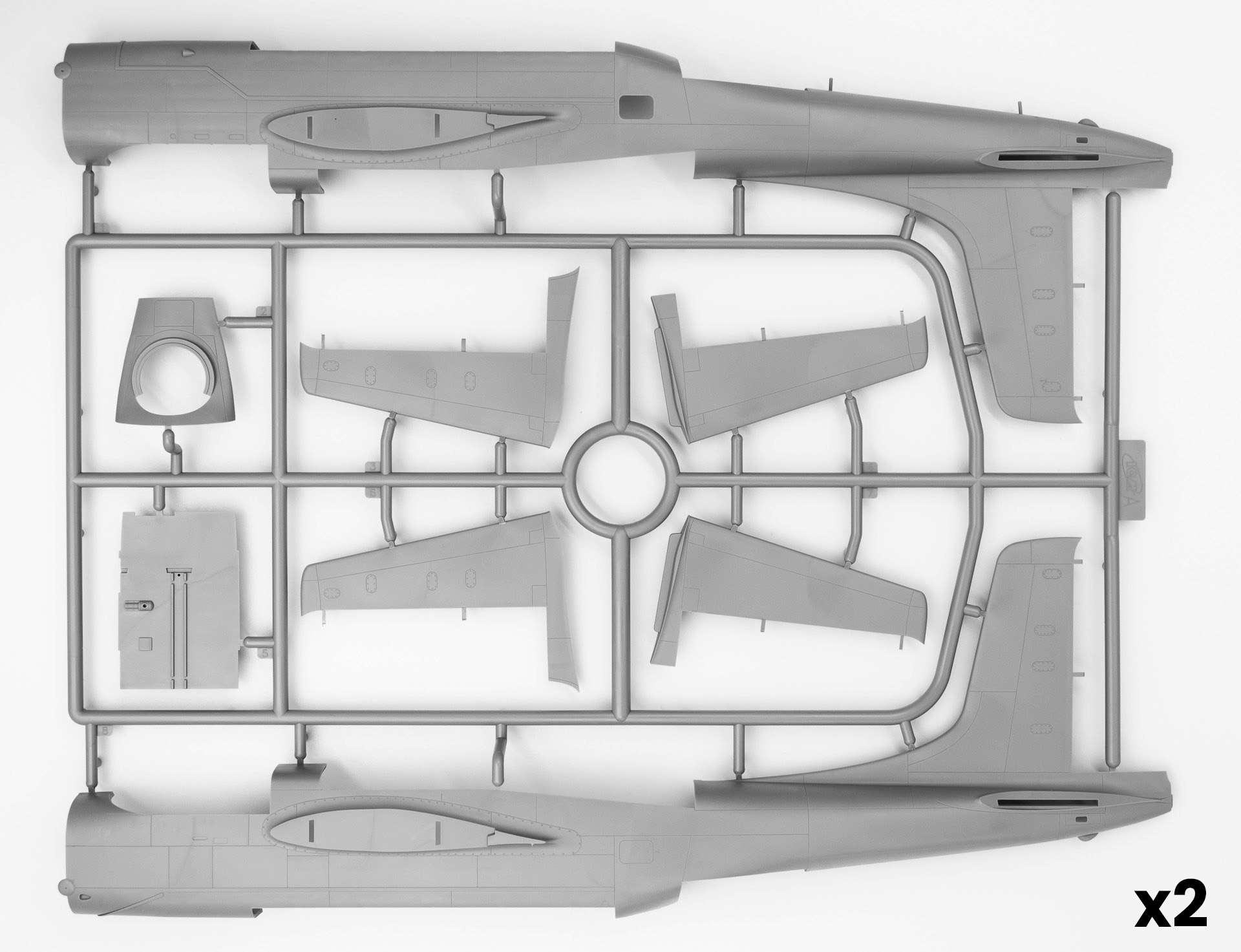

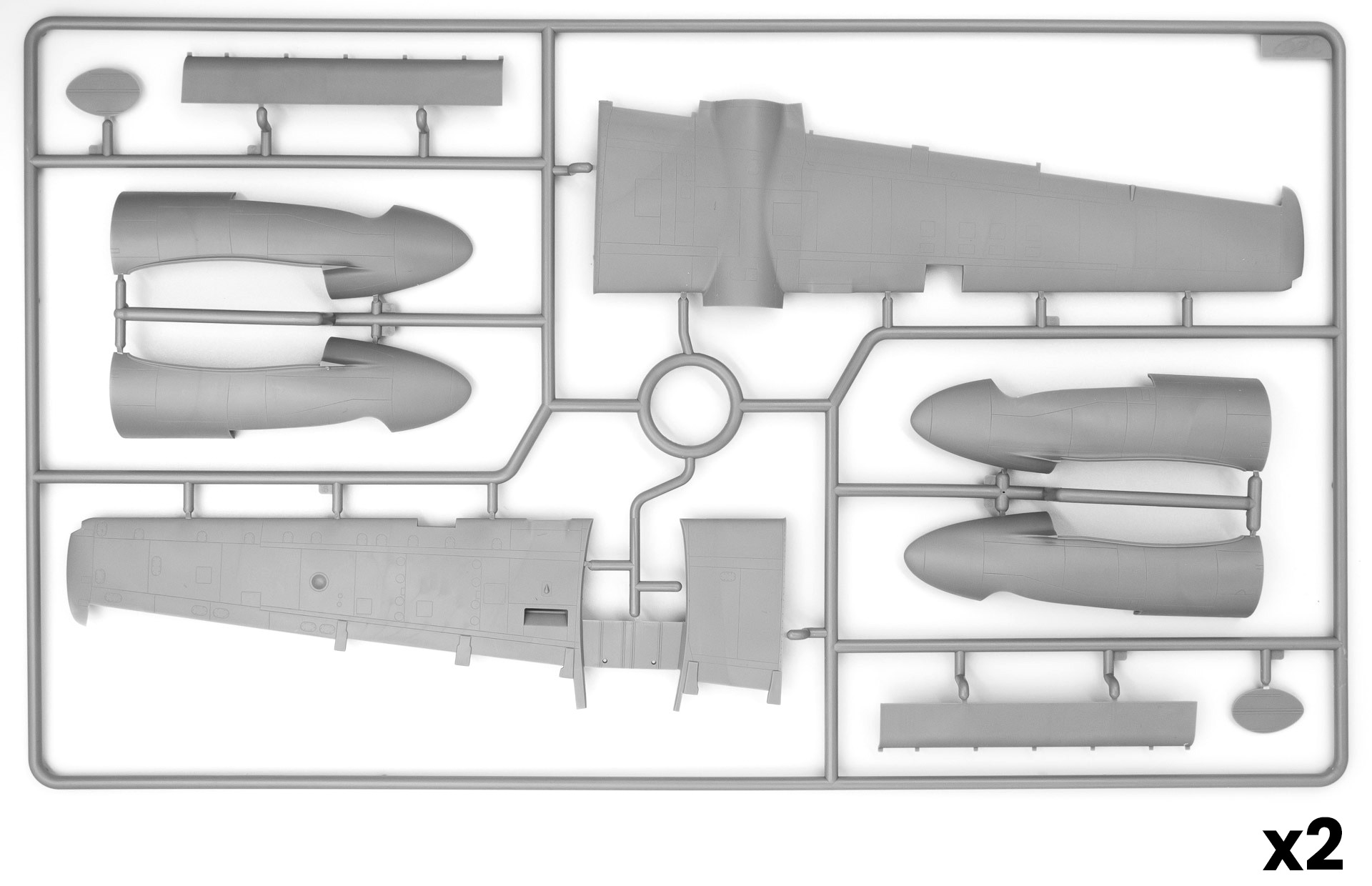

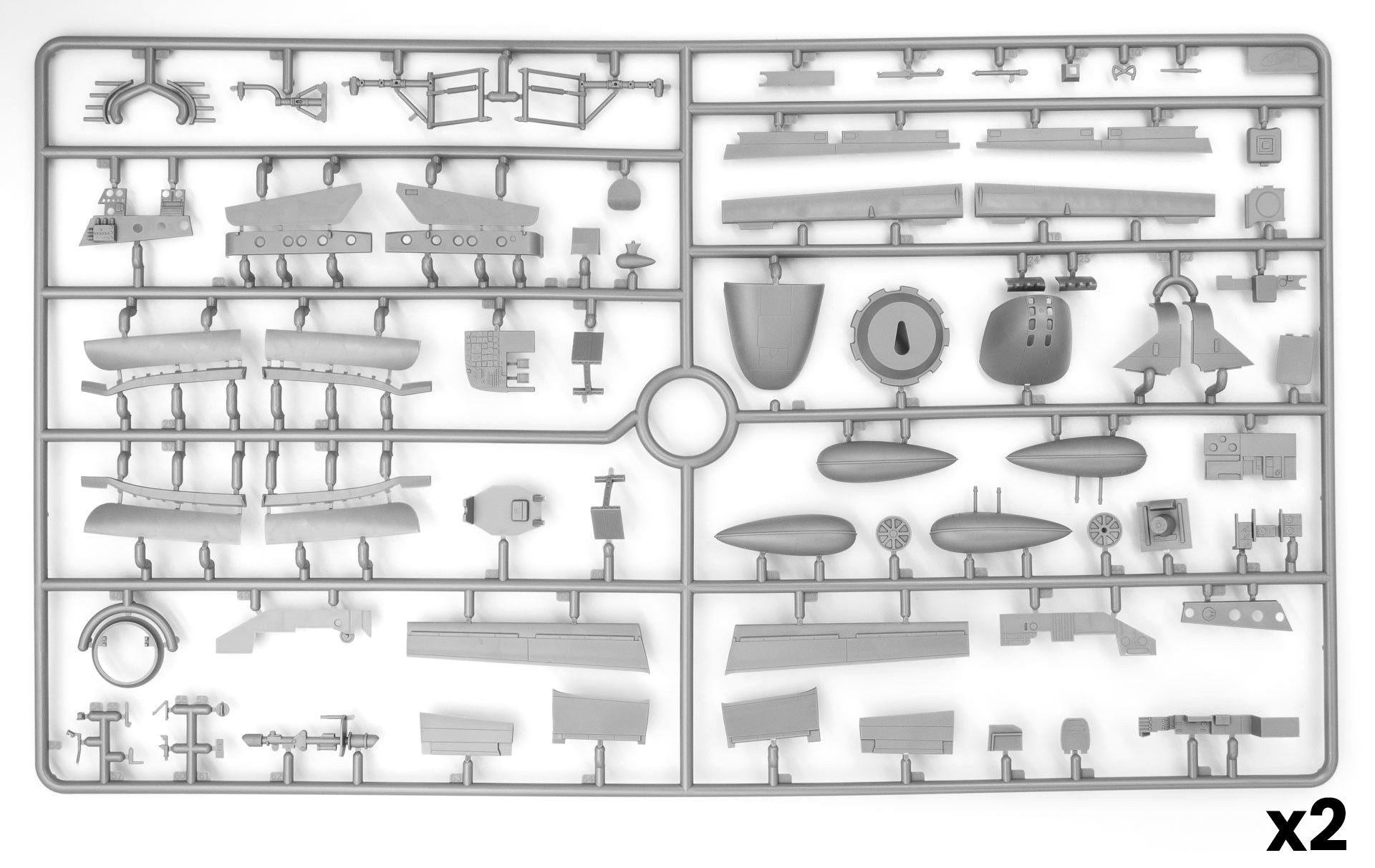
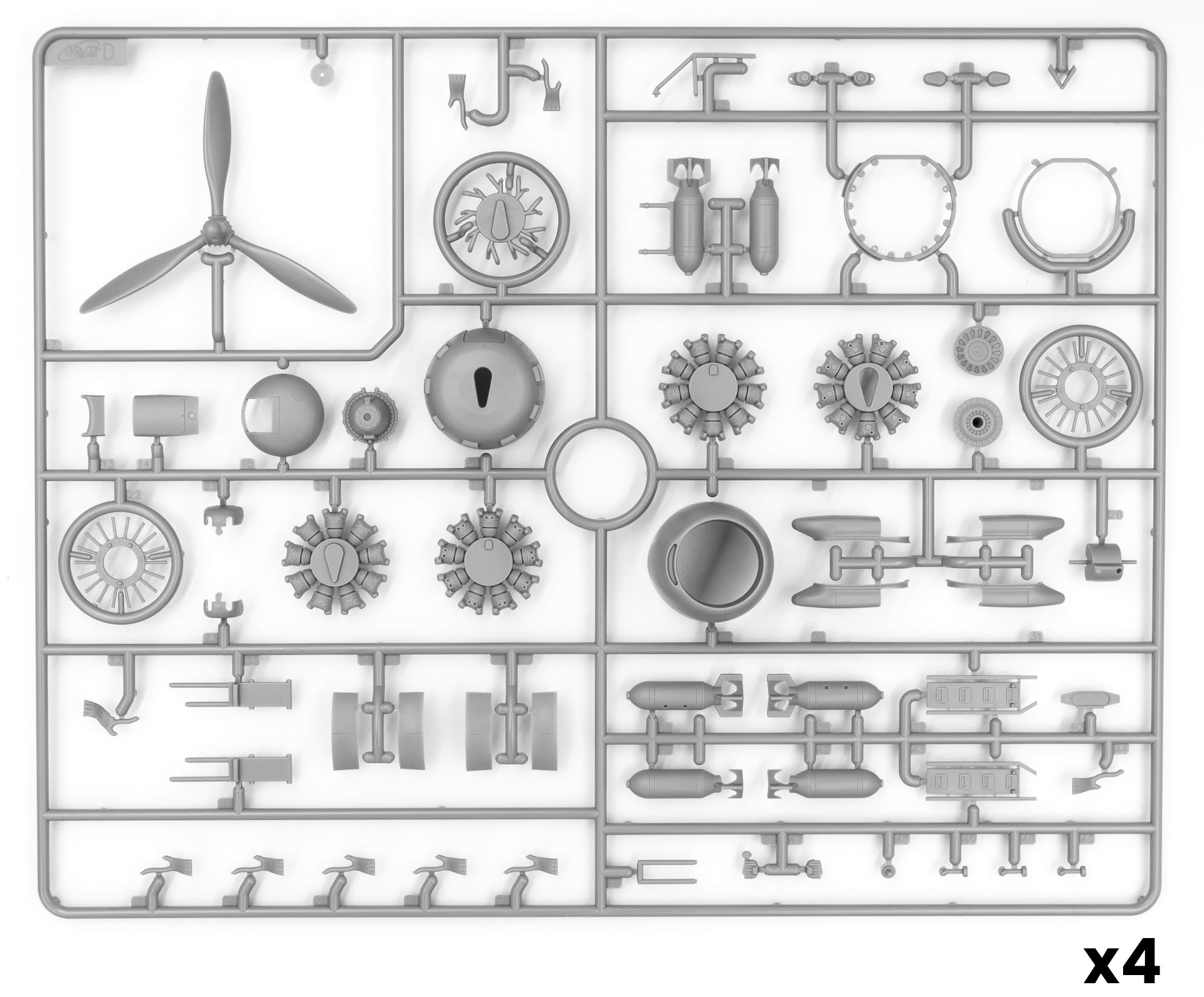



The Douglas B-26 Invader bomber, designated A-26 until 1948, entered U.S. service in 1944 and became one of the most capable American twin-engine bombers of the Second World War. During the Korean War (1950–1953), it remained in service as a strike aircraft, attacking enemy positions and lines of communication. Initially used for daylight raids, the B-26 later became the main aircraft for night operations against enemy convoys and trains. Its ability to carry up to three tons of bombs and its strong firepower made it particularly effective against transport routes.
A distinctive feature of many B-26 Invaders was their impressive nose art. Aircraft were often decorated with images of women, which served as personal talismans for the crews and helped maintain morale during combat missions. Two well-known aircraft were “Monie” (44-34517) of the 37th Squadron, 17th Group, flown by Lieutenant R. C. Mikesh, and the B-26C “Neva Hoppen” (44-35767) of the 452nd Group. Sergeant Lee M. Adams, who flew his first combat mission as an observer aboard “Neva Hoppen”, later described the intense experience of sitting in the glass nose section under heavy anti-aircraft fire.
The B-26 Invader served throughout the Korean War, carrying out both the first and the last bombing missions of the conflict.