
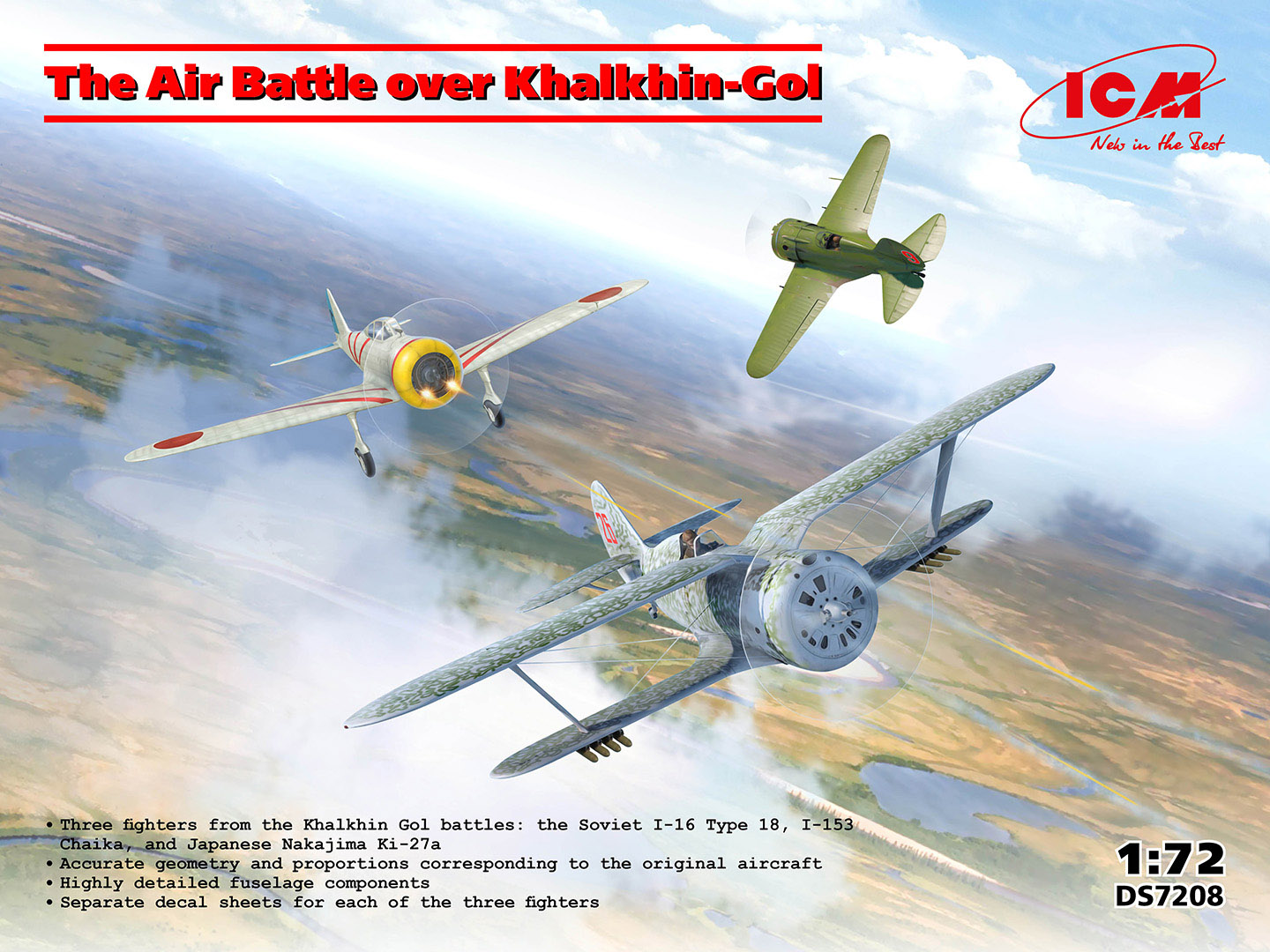
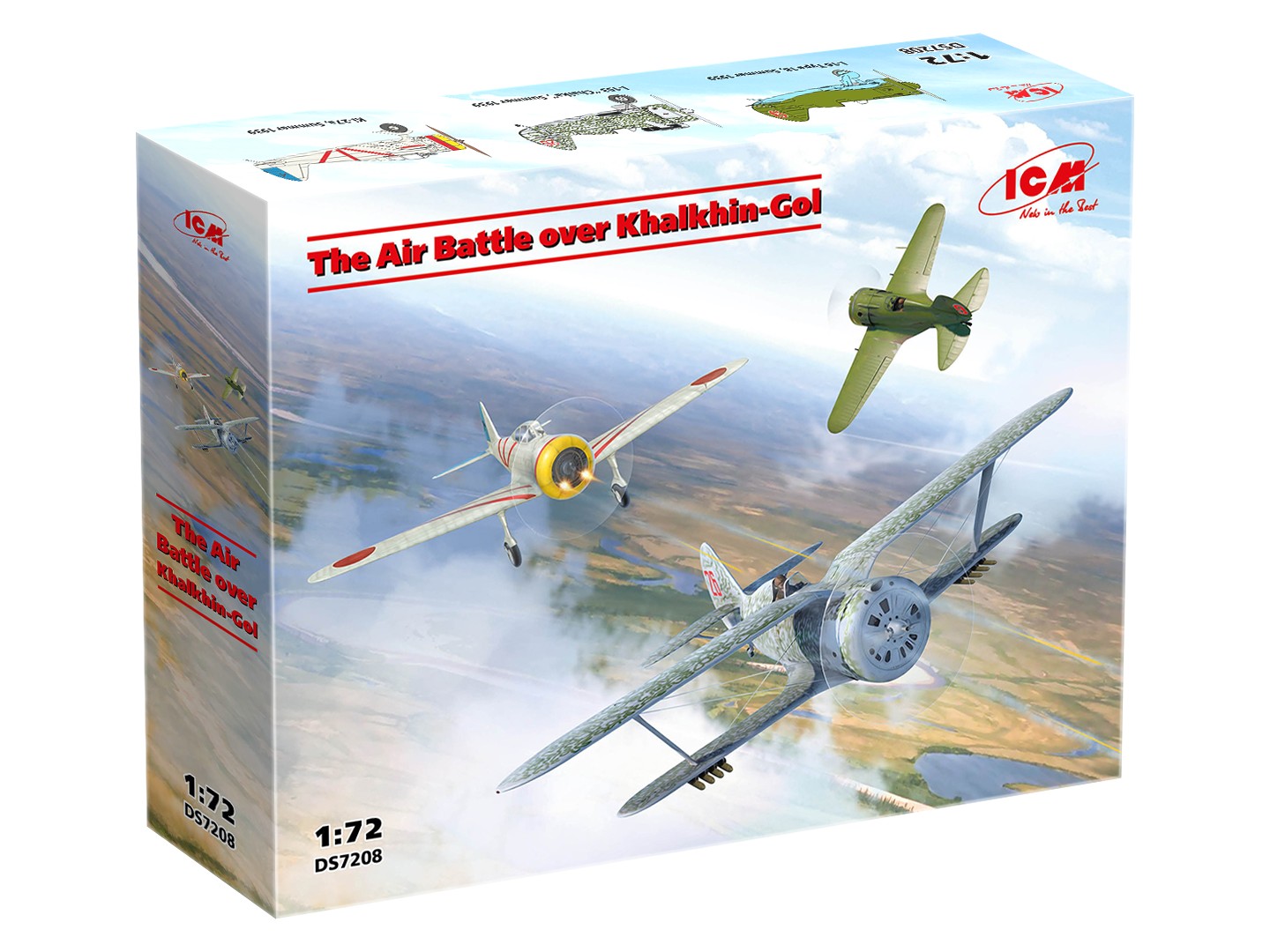





In May–September 1939, a large-scale air battle took place over the Mongolian Khalkhin Gol River, involving hundreds of aircraft from the Japanese and Soviet Air Forces. Around 900 Soviet aircraft faced approximately 400 Japanese aircraft over a relatively narrow section of the front, up to 70 kilometres wide.
The initial fighting was difficult for the Soviet Air Force, which suffered significant losses. Japanese pilots demonstrated excellent skill, while the Nakajima Ki-27 fighter had exceptional horizontal manoeuvrability due to its lightweight construction. The Soviet I-16 was faster but less manoeuvrable.
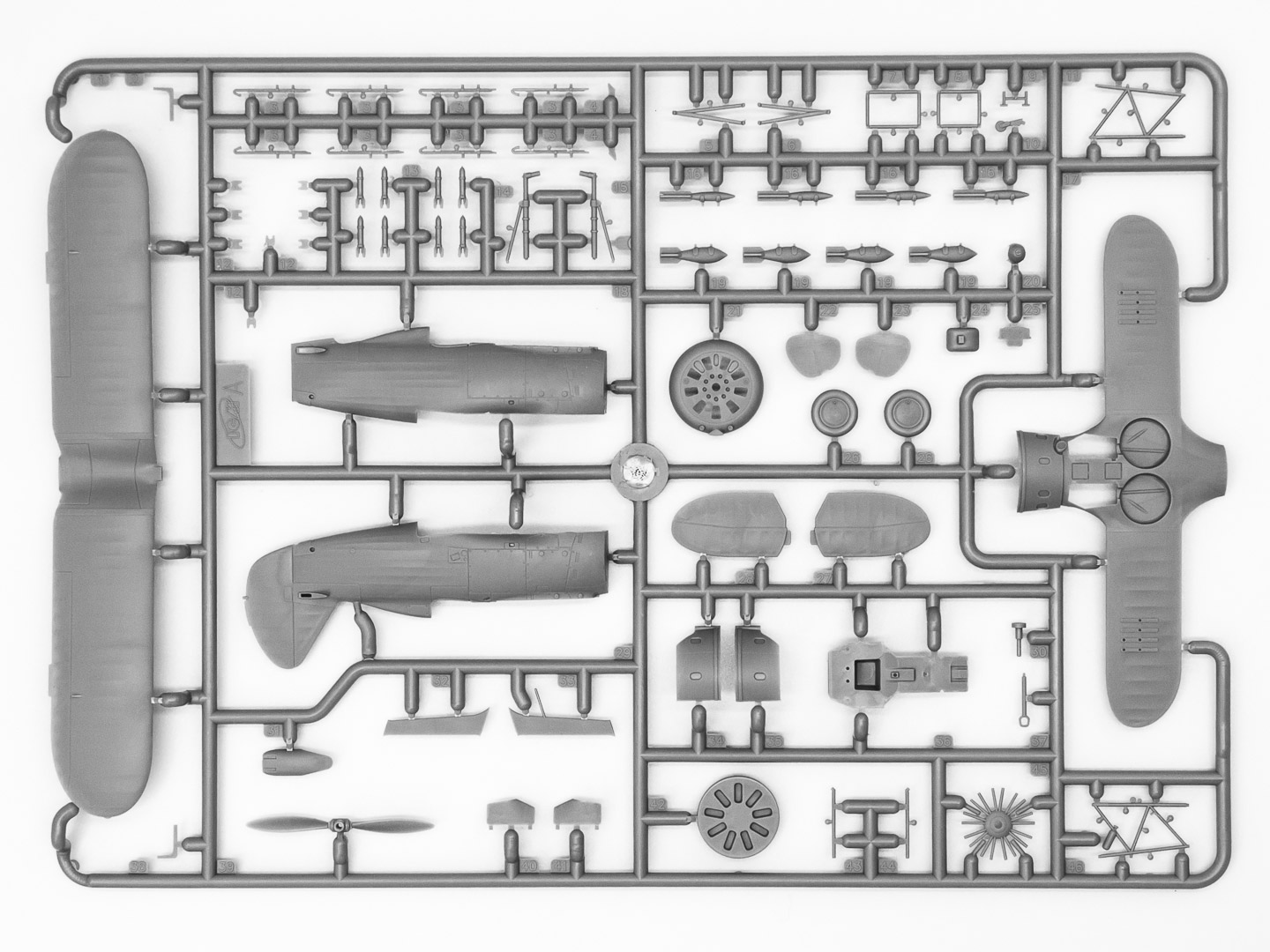
Soviet pilots gradually changed their tactics, avoiding prolonged horizontal turns and using the “hit-and-break-away” approach. An important role was also played by the I-153 Chaika biplane, which, although slower than the I-16, offered excellent manoeuvrability and rate of climb.
Over time, the Soviet Air Force used its numerical advantage to gain air superiority. The experience gained at Khalkhin Gol revealed important weaknesses in both the Soviet and Japanese Air Forces and contributed to major reforms before the Second World War.