
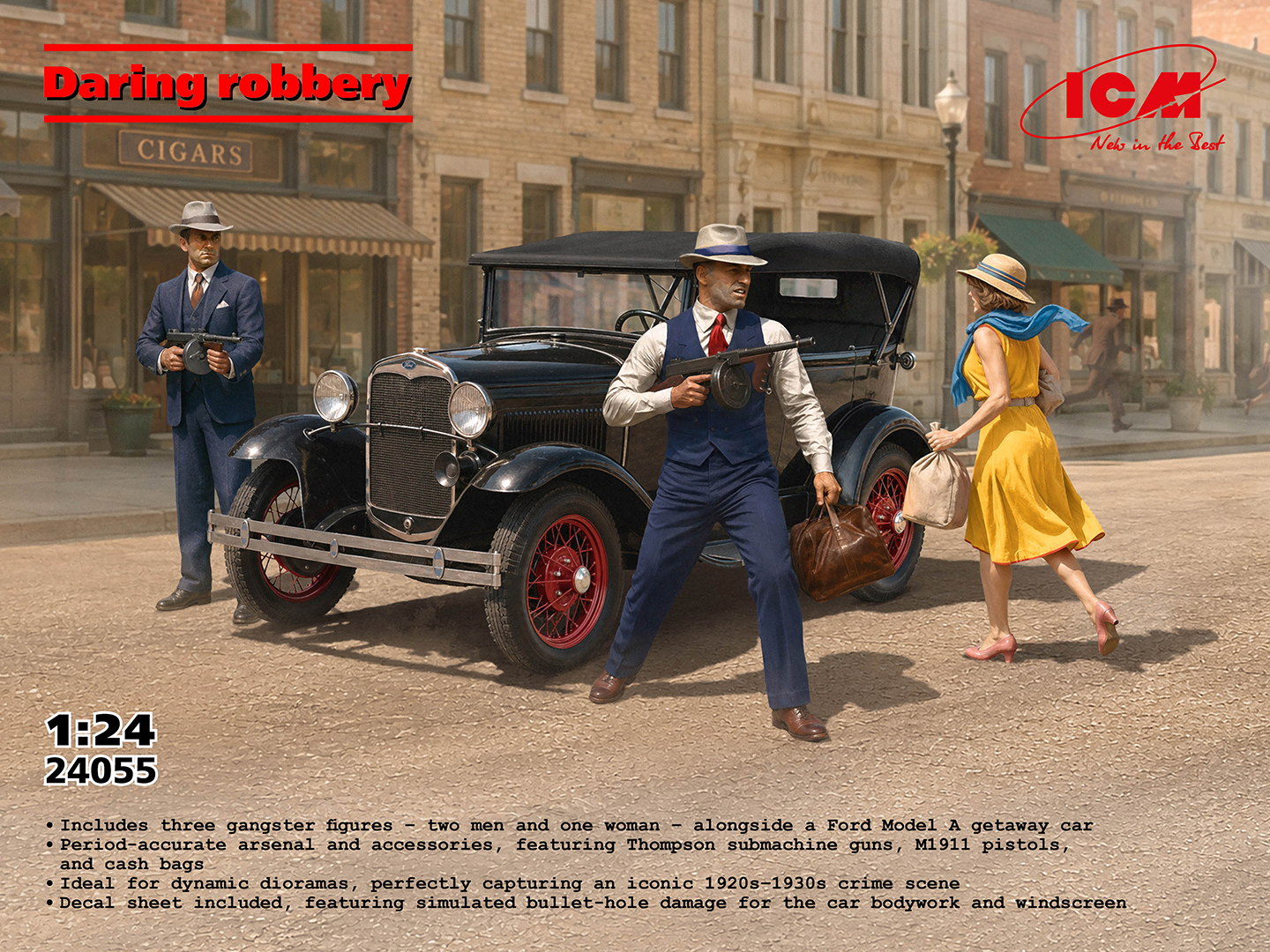

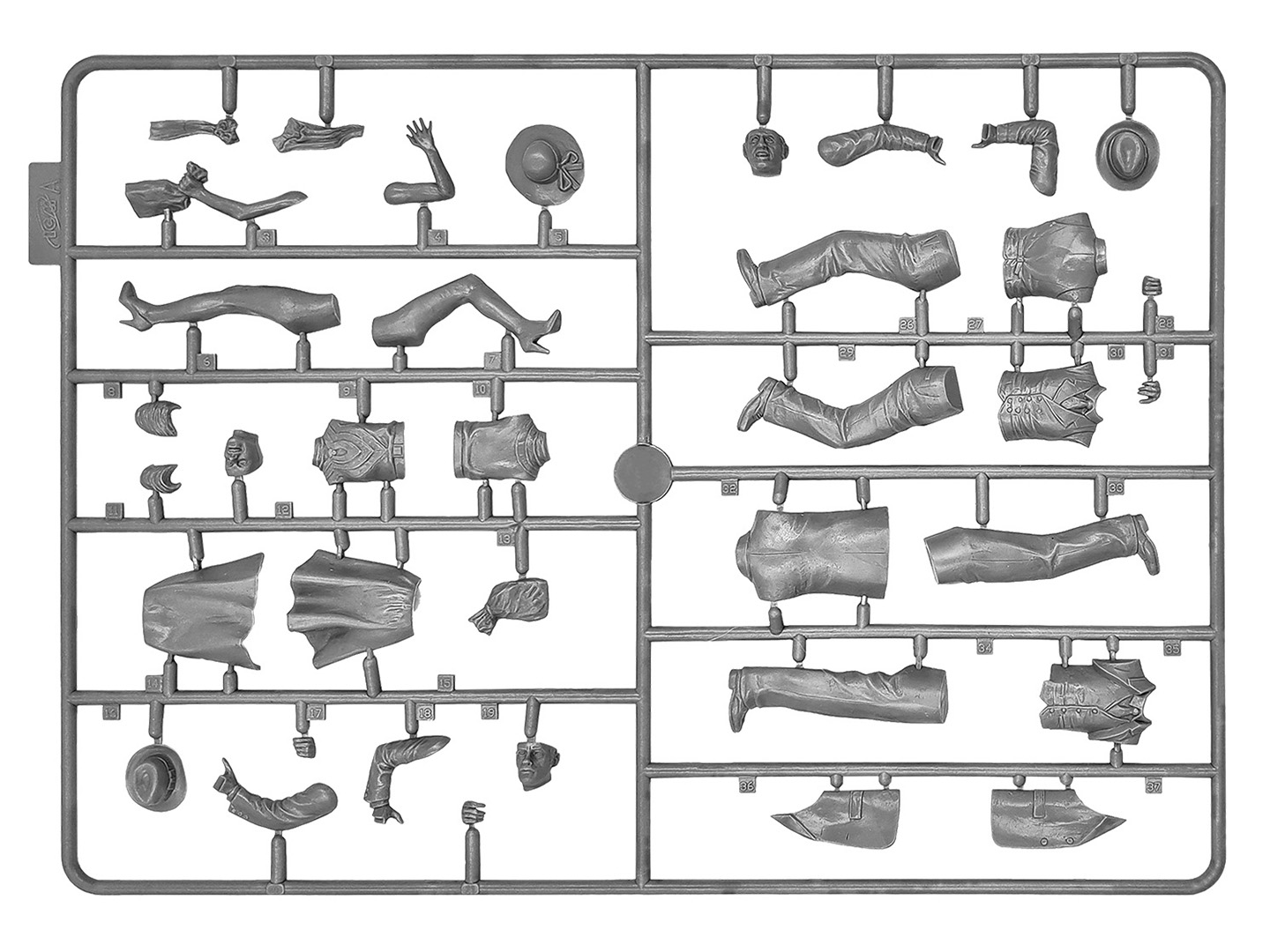
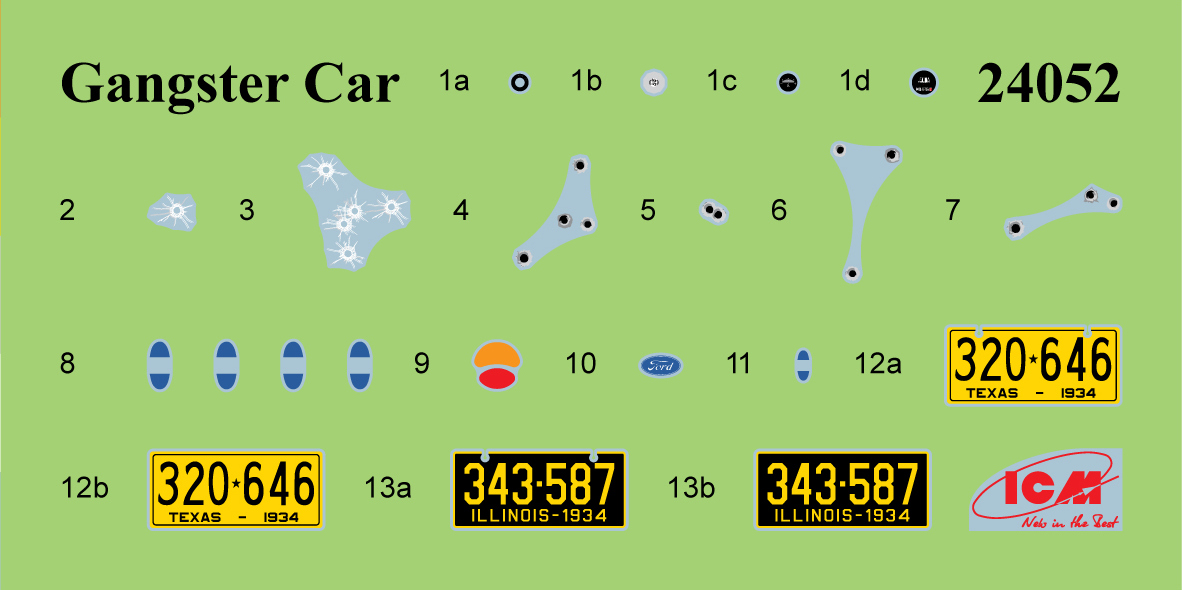
During the late 1920s and 1930s, American organized crime evolved from small street gangs into powerful, structured syndicates. Their leaders achieved national notoriety, fueled largely by daring bank heists that relied on high-speed automobiles and modern paved roads to execute swift strikes and escapes.
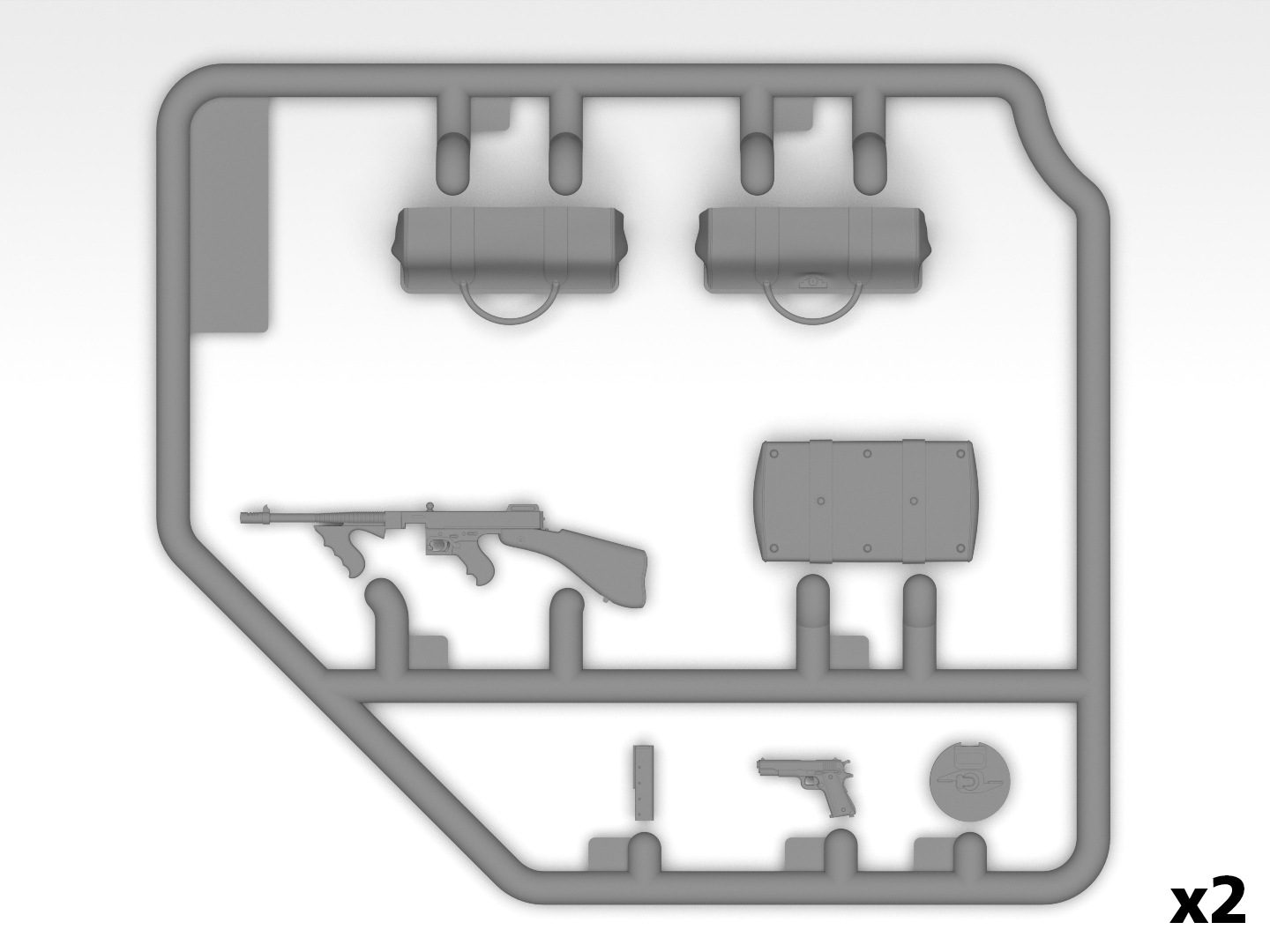
Central to these operations was the Thompson submachine gun. Costing roughly $200 – nearly half the price of a contemporary Ford Model A—the weapon reflected the significant capital criminals poured into their armaments. These high-speed raids were devastatingly effective; for example, the Dillinger gang’s Greencastle heist yielded the equivalent of $1.5 million today. By the late 1930s, economic stabilization and modernized law enforcement tactics finally brought an end to this era of high-profile gangsterism.