
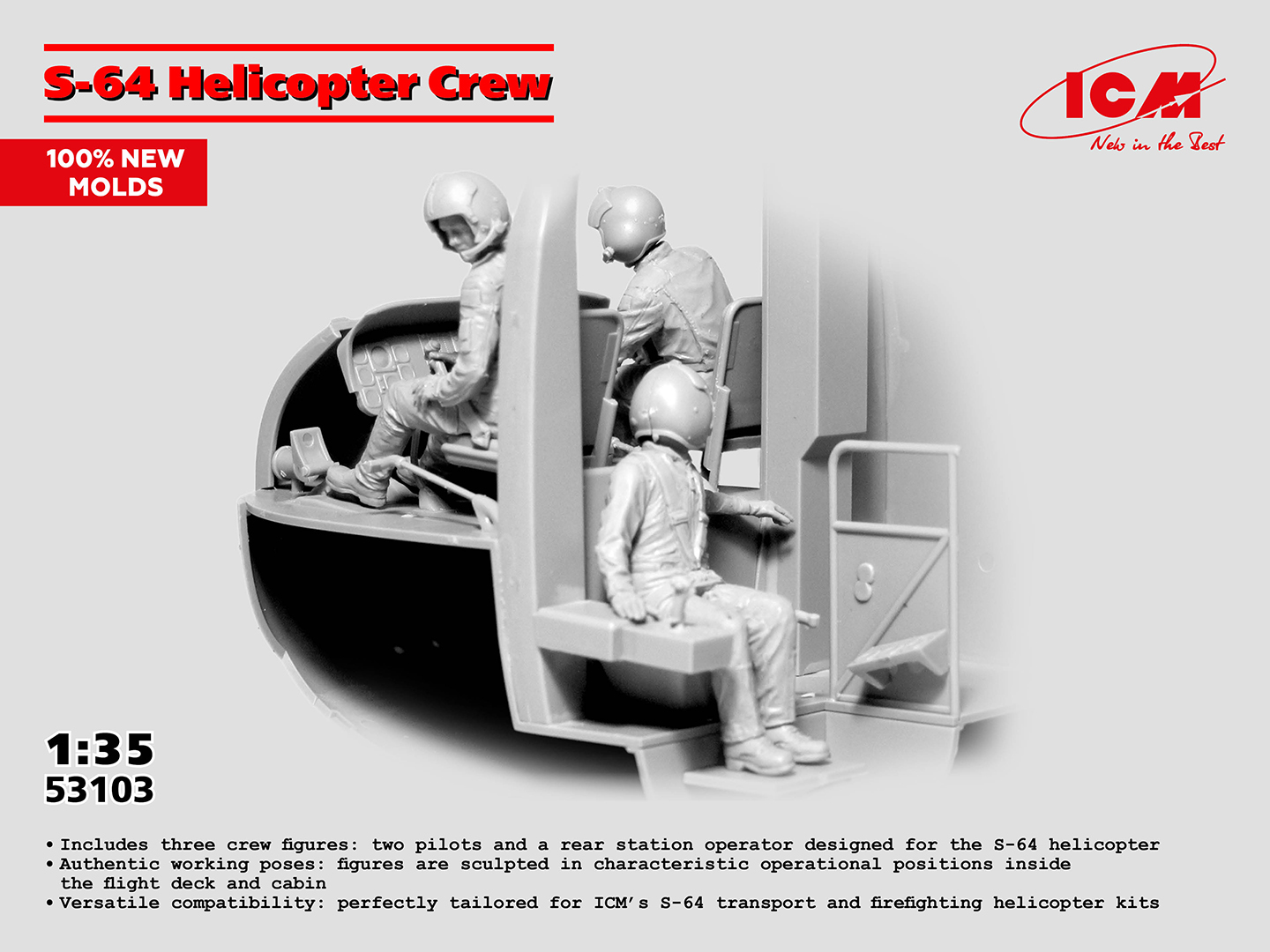
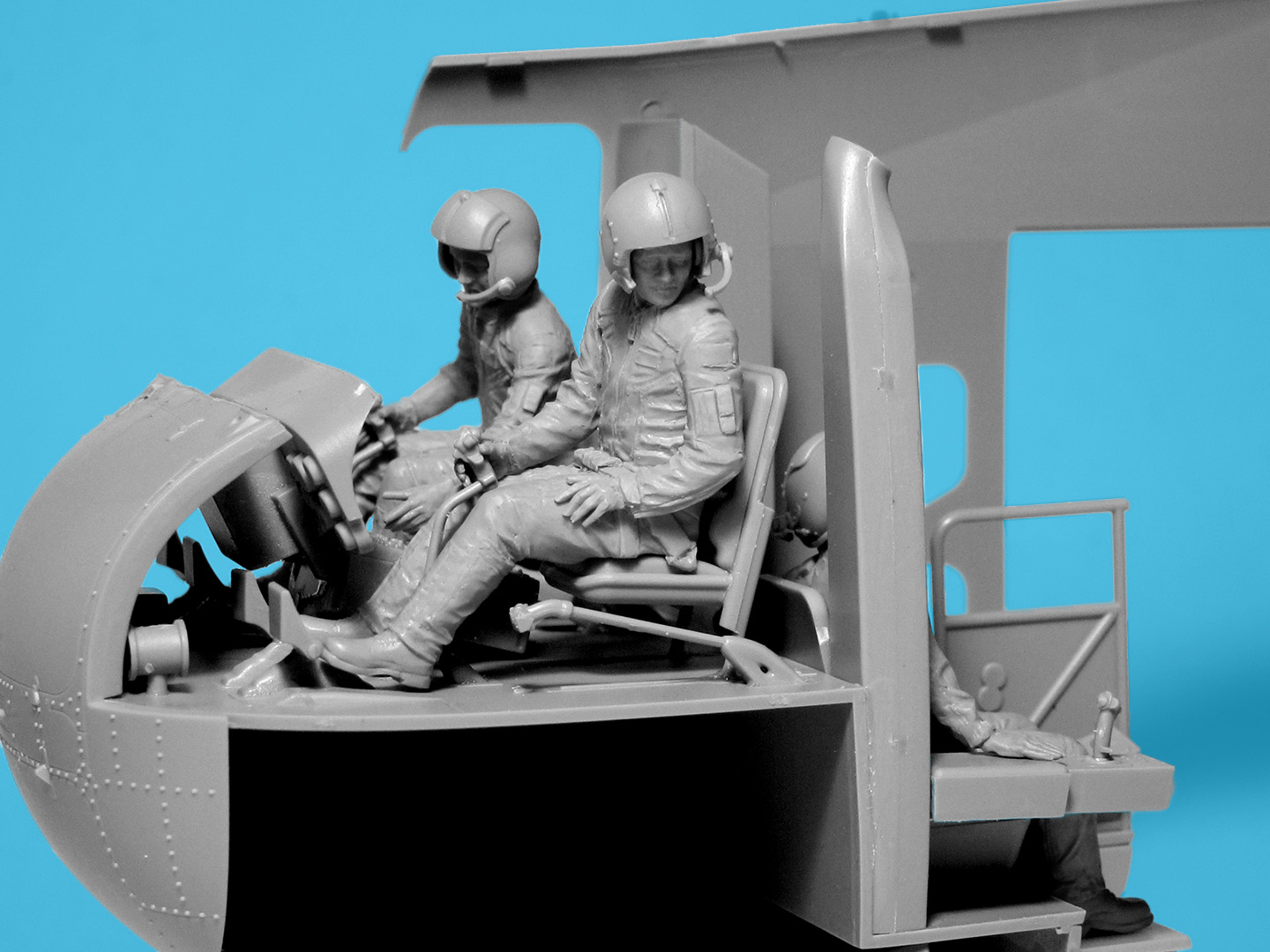
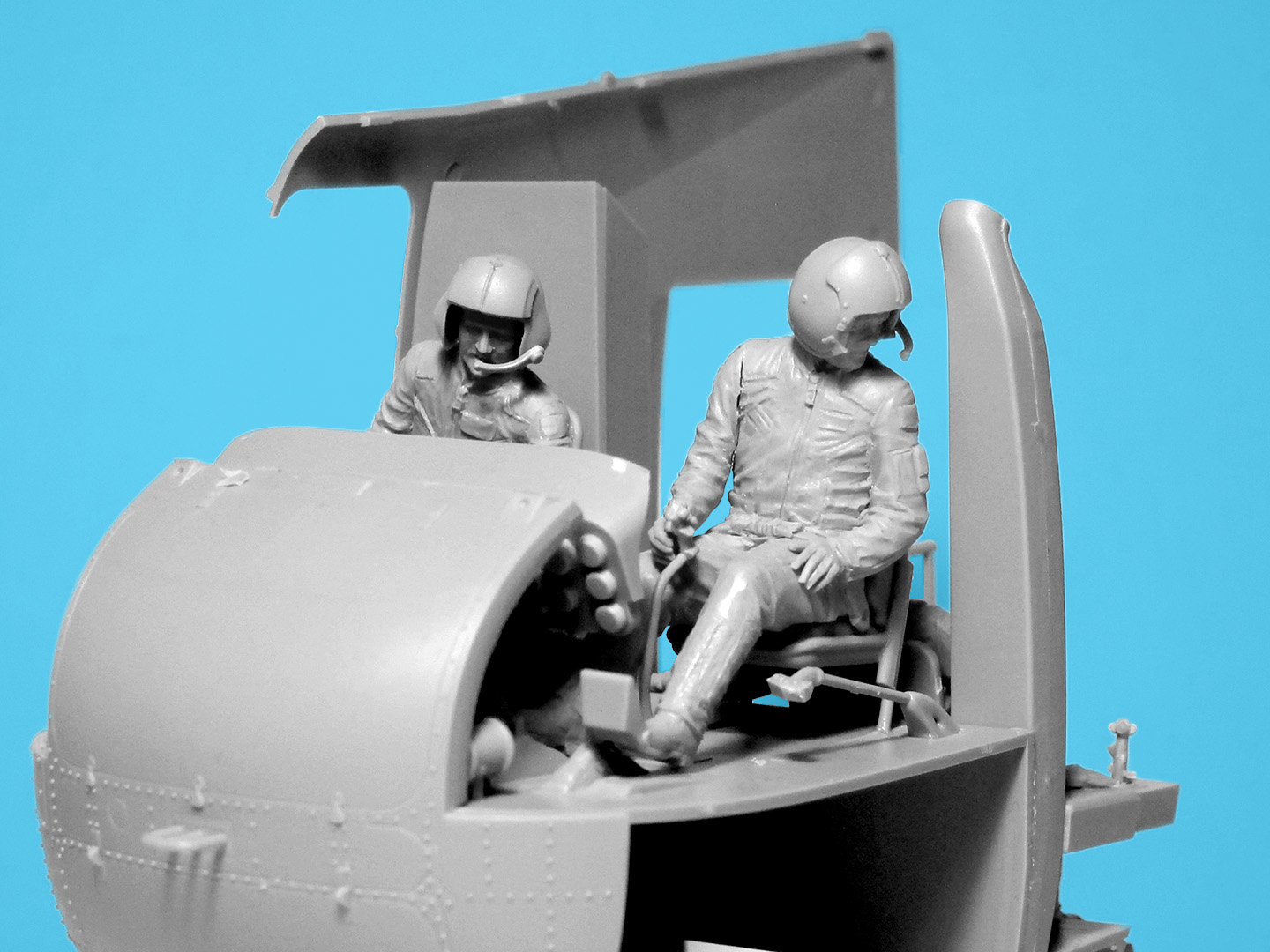
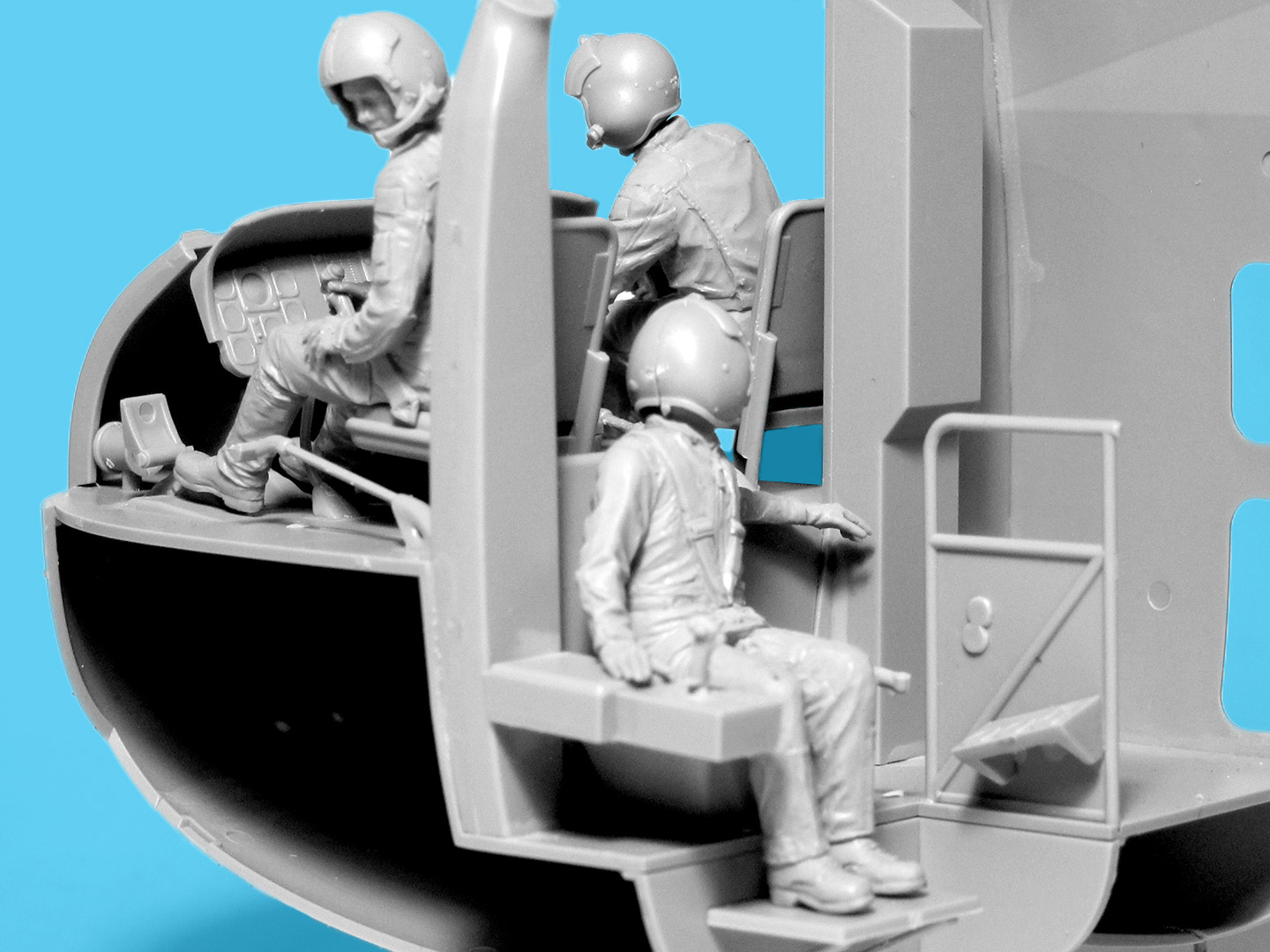
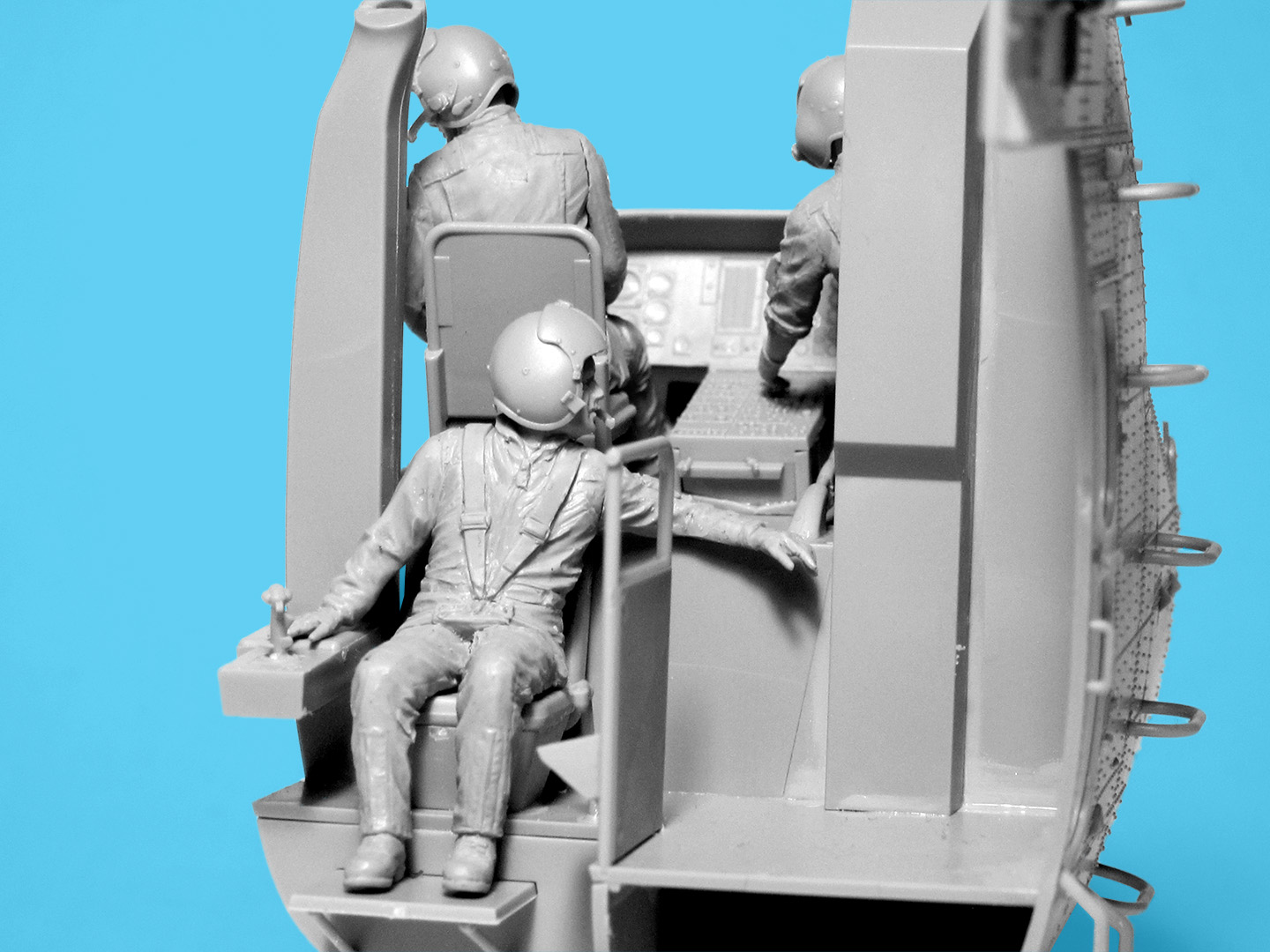
Operating the S-64 Skycrane involves a unique set of procedures tailored to the design of these iconic “flying cranes.” A standard crew consists of two or three members. In the forward cockpit, the two pilots manage flight operations and mission execution. In firefighting configurations, the pilot-in-command (seated on the left) also operates the water discharge system. Standard protocol requires the crew to sound a dedicated warning siren prior to dropping water, alerting ground personnel to clear the danger zone.
The copilot, seated on the right, assists the command pilot and can relieve them on extended missions. When required, a third crew member occupies the rear-facing control station – a hallmark feature of the S-64 series (as well as its military predecessor, the CH-54). Equipped with a complete set of flight controls, this rear station enables the operator to fly the aircraft during sling-load attachment and precision placement. From this vantage point, the operator maintains direct visual contact with the load and drop zone through a specialized bubble window.
This dedicated rear-control capability allows the crew to position heavy loads with surgical precision—often within centimeters. For missions with smaller crews, the copilot can easily transition from the forward flight deck to the rear control station as needed.